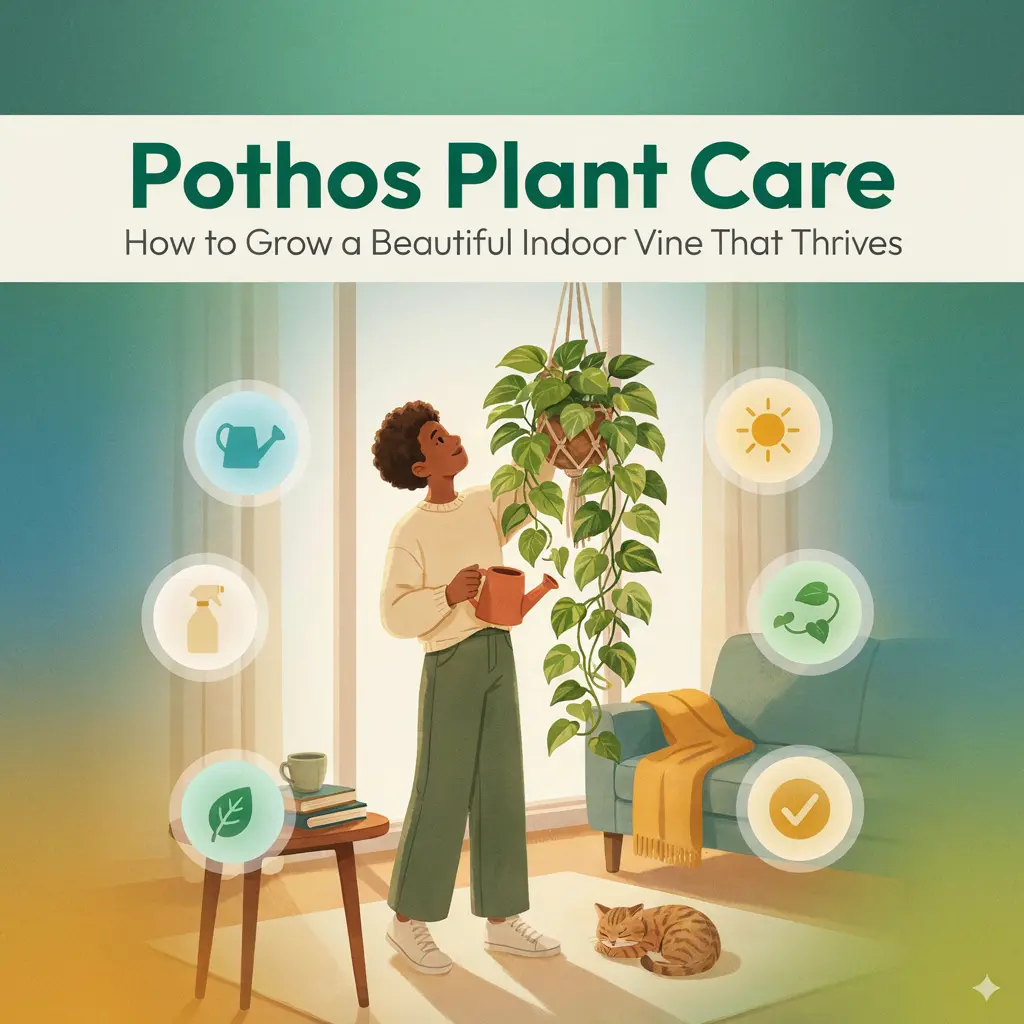
Few houseplants have earned a reputation quite like the pothos. With its lush trailing vines, heart-shaped leaves, and remarkable ability to thrive with minimal attention, it's no surprise that this tropical favorite has become a staple in homes, offices, and apartments around the world. Whether it's cascading from a hanging basket, climbing a moss pole, or brightening up a bookshelf, a healthy pothos brings effortless greenery to almost any indoor space.
One of the biggest reasons people fall in love with pothos is its forgiving nature. Unlike many houseplants that demand precise watering schedules or carefully controlled environments, pothos adapts well to everyday indoor conditions. It tolerates occasional neglect, grows quickly, and continues producing beautiful foliage even if you're still learning the basics of plant care. That makes it an ideal choice for first-time plant owners as well as experienced indoor gardeners looking to expand their collection.

But while pothos is easy to grow, helping it truly thrive requires understanding its needs. The right balance of light, watering, soil, humidity, and occasional maintenance can transform a simple vine into a lush, vibrant plant with long cascading stems and healthy, colorful leaves. Small adjustments in your care routine can also prevent common problems like yellowing leaves, root rot, or leggy growth before they become serious issues.
In this complete guide to pothos plant care, you'll discover everything you need to know to grow a beautiful indoor vine that flourishes year-round. From choosing the best location and watering correctly to propagating new plants and solving common care problems, this guide will give you the confidence to keep your pothos healthy, thriving, and growing for years to come.
What Is a Pothos Plant?
The pothos plant (Epipremnum aureum) is a tropical evergreen vine native to the warm, humid forests of the South Pacific, particularly the Solomon Islands. In its natural habitat, it climbs towering trees using aerial roots, often reaching impressive lengths while thriving beneath the forest canopy. Indoors, pothos maintains the same climbing or trailing growth habit, making it one of the most versatile and attractive houseplants available.
You may also hear pothos referred to as Devil's Ivy, a nickname it earned because of its incredible resilience. Even when growing conditions are less than ideal, pothos often continues to survive and produce new growth. It can tolerate inconsistent watering, lower light conditions, and occasional neglect far better than many other indoor plants, making it a favorite among busy homeowners and beginner gardeners.
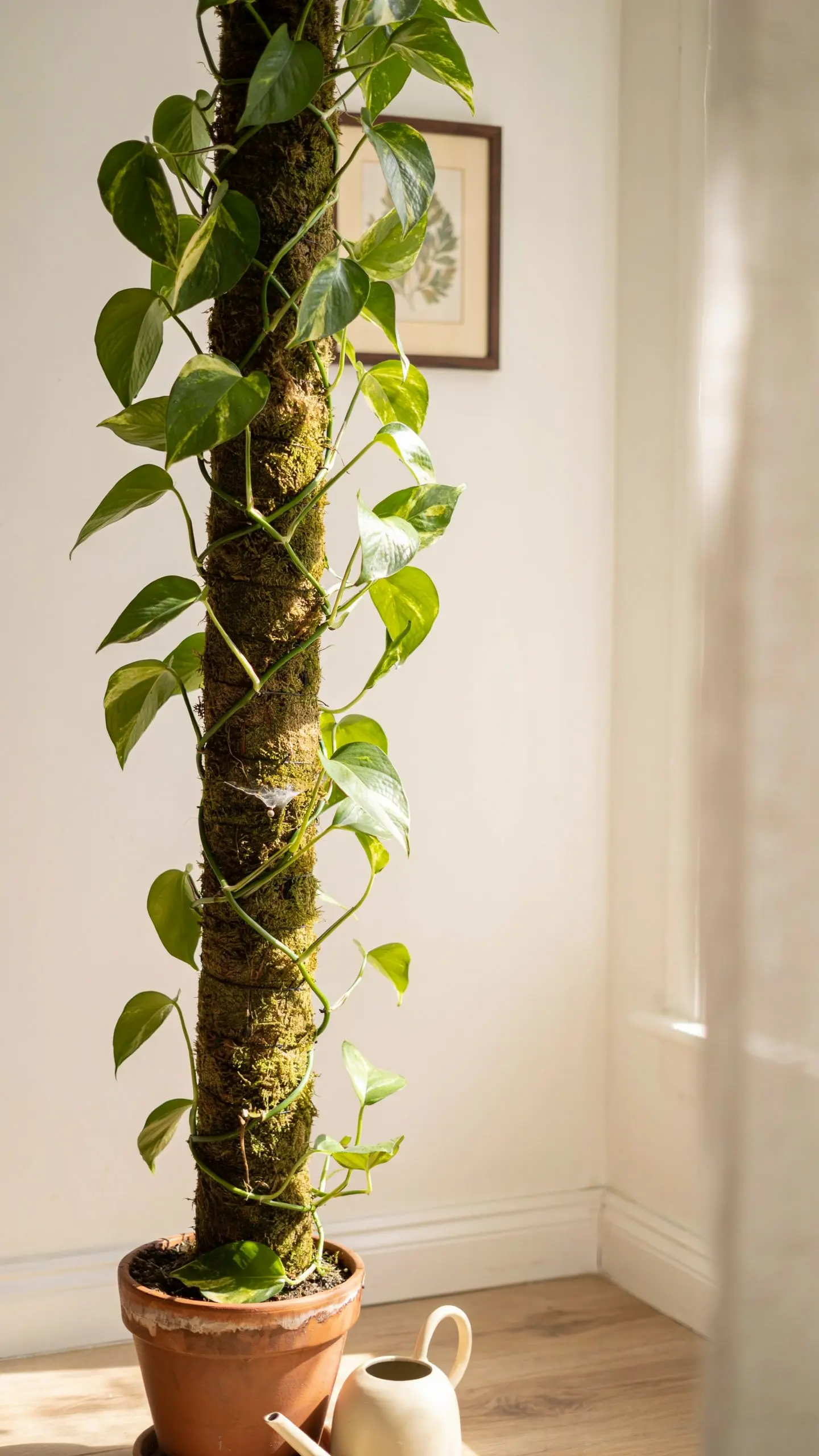
One of the defining features of pothos is its glossy, heart-shaped leaves. Depending on the variety, the foliage can display a wide range of colors and patterns, from rich emerald green to vibrant lime, creamy white variegation, silver-blue tones, or golden marbling. As the plant matures, its vines can stretch several feet long indoors, creating a lush, cascading display from shelves, hanging baskets, plant stands, or wall-mounted planters.
In tropical outdoor environments, pothos can grow into massive climbing vines with leaves much larger than those typically seen indoors. Inside the home, however, its growth remains more manageable while still being vigorous enough to provide noticeable new foliage throughout the growing season. With proper care, many pothos plants can grow several feet each year.
Another reason pothos is so widely loved is its adaptability. It grows well in homes, apartments, offices, dorm rooms, and virtually any indoor setting where it receives moderate light and occasional watering. Whether you want a trailing vine to soften a room or a climbing plant to create a dramatic vertical display, pothos easily adapts to the space you have available.
Its combination of beauty, durability, and rapid growth has made pothos one of the most recommended houseplants in the world. For anyone looking to bring more greenery indoors without taking on a high-maintenance plant, pothos remains one of the easiest and most rewarding choices.
Why Pothos Is the Perfect Houseplant
There are countless indoor plants to choose from, but few offer the same combination of beauty, resilience, and simplicity as pothos. Whether you're decorating your first apartment or adding to a growing indoor jungle, pothos consistently proves why it has remained one of the world's most popular houseplants for decades.

Extremely Low Maintenance
One of the biggest advantages of pothos is how little it asks in return for its impressive growth. It doesn't require daily attention, complicated care routines, or expensive equipment. As long as it receives adequate light, occasional watering, and well-draining soil, pothos can flourish with very little effort.
This forgiving nature makes it especially appealing for people with busy schedules or anyone who occasionally forgets to water their plants. Even after minor neglect, pothos often bounces back quickly once proper care resumes.
Fast Growth
Unlike slow-growing houseplants that take years to make an impact, pothos rewards patience with rapid growth. During spring and summer, healthy vines can extend several inches each month, producing fresh leaves that create a fuller, more vibrant appearance over time.
Its vigorous growth also makes pruning and propagation worthwhile. A single healthy plant can easily produce multiple new plants from simple stem cuttings, allowing you to expand your collection without purchasing additional houseplants.
Air-Purifying Qualities
Pothos has long been recognized as one of the houseplants capable of helping improve indoor environments by contributing to cleaner air and increasing humidity through natural transpiration. While no houseplant replaces proper ventilation or air filtration, adding greenery like pothos can help create a fresher, more inviting living space while enhancing the overall atmosphere of your home.
Adapts to Many Indoor Conditions
One reason pothos succeeds where many other plants struggle is its remarkable adaptability. It grows well in bright, indirect light but can also tolerate lower-light areas where many houseplants begin to decline. This flexibility allows you to place pothos in living rooms, bedrooms, offices, kitchens, bathrooms, or hallways without constantly worrying about finding the "perfect" location.
Although brighter conditions encourage faster growth and richer leaf color, pothos remains surprisingly resilient even when lighting isn't ideal.
Great for Beginners
For new plant owners, pothos is often the ideal starting point. It provides an opportunity to learn the fundamentals of watering, pruning, repotting, and propagation without the frustration that comes with more demanding species.
Even experienced indoor gardeners continue to grow pothos because of its reliability and versatility. Whether displayed in a hanging basket, trained up a moss pole, or allowed to trail gracefully across shelves, it delivers year-round beauty with minimal maintenance.
If you're searching for a houseplant that's attractive, adaptable, affordable, and easy to care for, it's hard to find a better choice than pothos. Its ability to thrive in a wide variety of homes and lifestyles is exactly why it remains a favorite among plant lovers around the world.
Different Types of Pothos Plants
One of the reasons pothos remains such a popular houseplant is the incredible variety available. While all pothos share similar care requirements, each variety offers its own unique colors, patterns, and growth habits. Whether you prefer bold variegation, vibrant foliage, or classic deep-green leaves, there's a pothos to match every style of home.
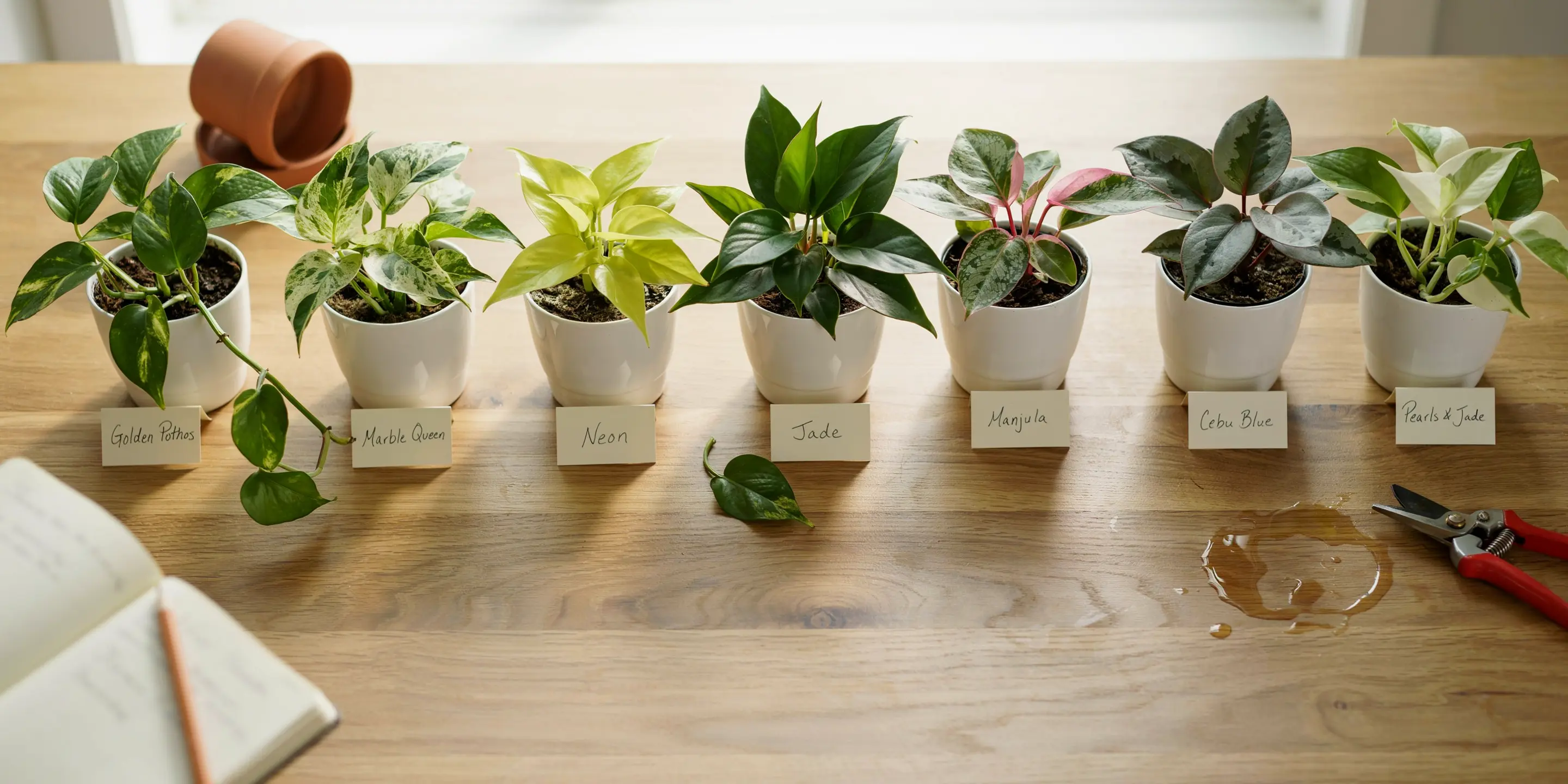
Golden Pothos
Golden pothos is the most recognizable and widely grown variety. Its rich green leaves are splashed with streaks of golden yellow, giving the plant a bright and cheerful appearance. It grows quickly, adapts well to different lighting conditions, and is often recommended as the best choice for beginners.
In brighter indirect light, the golden variegation becomes more pronounced, while lower light tends to produce greener leaves.
Marble Queen Pothos
Marble Queen is prized for its stunning cream and white marbled foliage. The heavy variegation gives each leaf a unique pattern, making the plant look almost hand-painted.
Because the leaves contain less green chlorophyll than other varieties, Marble Queen typically grows a little slower and benefits from brighter indirect light to maintain its striking coloration.
Neon Pothos
If you're looking to make a bold statement, Neon pothos is hard to overlook. Its brilliant chartreuse or lime-green leaves instantly brighten any room and add a vibrant splash of color to indoor plant collections.
Unlike heavily variegated varieties, Neon pothos has solid-colored foliage, allowing its vivid hue to take center stage.
Jade Pothos
Jade pothos features deep emerald-green leaves with little to no variegation. Its classic appearance makes it an excellent choice for minimalist interiors or anyone who prefers rich, uniform foliage.
This variety is especially tolerant of lower-light conditions, though it still grows best with plenty of bright, indirect light.
Manjula Pothos
Manjula pothos is known for its broad, wavy leaves decorated with beautiful swirls of green, cream, silver, and white. No two leaves look exactly alike, making every plant feel one of a kind.
Its slower growth is balanced by its exceptional ornamental appeal, making it a favorite among collectors.
Cebu Blue Pothos
Cebu Blue stands out for its elongated, silvery-blue leaves that give the plant a more sophisticated appearance than traditional pothos varieties. As it matures and climbs, the foliage can become even larger and may eventually develop natural splits under ideal conditions.
Its unique color pairs beautifully with modern interior décor and other tropical houseplants.
Pearls and Jade Pothos
Pearls and Jade pothos features compact growth and beautifully variegated leaves with shades of green, white, and soft gray. Unlike Marble Queen, its variegation often includes small green speckles within the white portions, creating an intricate, textured appearance.
Because of its slower growth and elegant foliage, it's often chosen as a decorative accent for shelves, desks, and smaller spaces.
Which Variety Should You Choose?
The best pothos ultimately comes down to personal preference. If you're just getting started, Golden pothos is one of the easiest and fastest-growing options. If you love dramatic foliage, Marble Queen, Manjula, or Pearls and Jade offer eye-catching patterns, while Neon pothos adds vibrant color and Cebu Blue delivers a more distinctive, modern look.
The good news is that regardless of which variety you choose, their care requirements are nearly identical. Once you understand the basics of pothos plant care, you'll be able to grow almost any variety into a lush, healthy indoor vine that enhances your home for years to come.
The Best Light for Pothos Plants
Providing the right amount of light is one of the easiest ways to keep your pothos healthy, vibrant, and growing at its full potential. While pothos is famous for tolerating less-than-perfect conditions, understanding its lighting needs can make the difference between a plant that merely survives and one that truly thrives.
Bright, Indirect Light Is Ideal
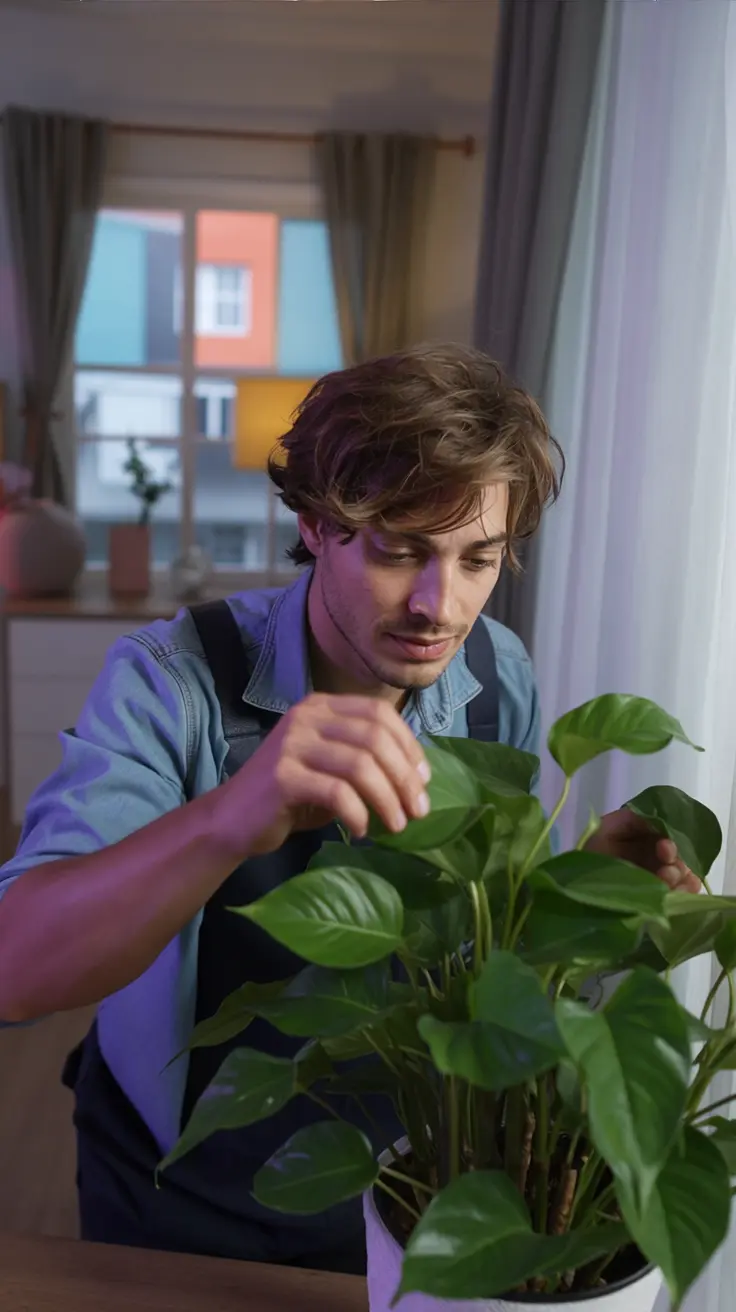
Pothos grows best in bright, indirect light, which closely resembles the dappled sunlight it receives beneath the tropical forest canopy in its native habitat. This type of lighting encourages faster growth, larger leaves, stronger vines, and more vibrant leaf coloration, especially in variegated varieties like Marble Queen and Pearls and Jade.
A spot near an east-facing window is often ideal, where the plant can enjoy gentle morning sun followed by bright filtered light throughout the day. North-facing windows also work well, while south- or west-facing windows may require a sheer curtain to soften the stronger afternoon sunlight.
Can Pothos Survive in Low Light?
One of pothos' greatest strengths is its ability to adapt to lower-light environments. This makes it an excellent choice for offices, apartments, hallways, and rooms that don't receive abundant natural sunlight.
However, low light comes with trade-offs. Growth typically slows, vines may become longer with fewer leaves, and variegated varieties can gradually lose their distinctive patterns as the plant produces more green foliage to capture available light.
If your pothos begins looking sparse or stops producing new leaves, moving it to a brighter location can often restore healthy growth.
Avoid Harsh Direct Sunlight
Although pothos enjoys bright conditions, prolonged exposure to direct sunlight, especially during the hottest part of the day, can damage its leaves. Intense rays may cause fading, brown crispy edges, or sunburn spots that permanently scar the foliage.
If you notice pale patches or scorched leaves, relocate the plant a few feet away from the window or filter the sunlight with a sheer curtain. Protecting the leaves from harsh afternoon sun helps preserve their rich color and glossy appearance.
Best Places to Grow Pothos Indoors

Because pothos adapts to a wide range of lighting conditions, it can thrive in many areas of your home. Some of the best locations include:
- Living rooms with bright filtered sunlight.
- Bedrooms near east- or north-facing windows.
- Home offices where indirect daylight is available throughout the day.
- Kitchens with natural light and moderate humidity.
- Bathrooms with windows, where higher humidity can encourage lush growth.
- Hallways or entryways that receive consistent ambient light.
These spaces provide the balance of light and protection that pothos prefers, allowing it to grow steadily while enhancing your home's décor.
Should You Rotate Your Pothos?
Yes. Rotating your pothos every week or two helps ensure even growth. Since plants naturally lean toward their light source, regular rotation encourages balanced development and prevents one side from becoming sparse or lopsided.
A simple quarter turn each time you water is often enough to keep your pothos growing evenly in all directions.
Finding the right lighting doesn't have to be complicated. Give your pothos plenty of bright, indirect light, protect it from intense afternoon sun, and rotate it occasionally. With these simple habits, your plant will reward you with fuller vines, healthier leaves, and steady growth throughout the year.
How Often Should You Water Pothos?
Watering is one of the most important aspects of pothos plant care, yet it's also where many plant owners make mistakes. Fortunately, pothos is forgiving and will often recover from occasional missed waterings. The real danger isn't underwatering, it's consistently keeping the soil too wet.
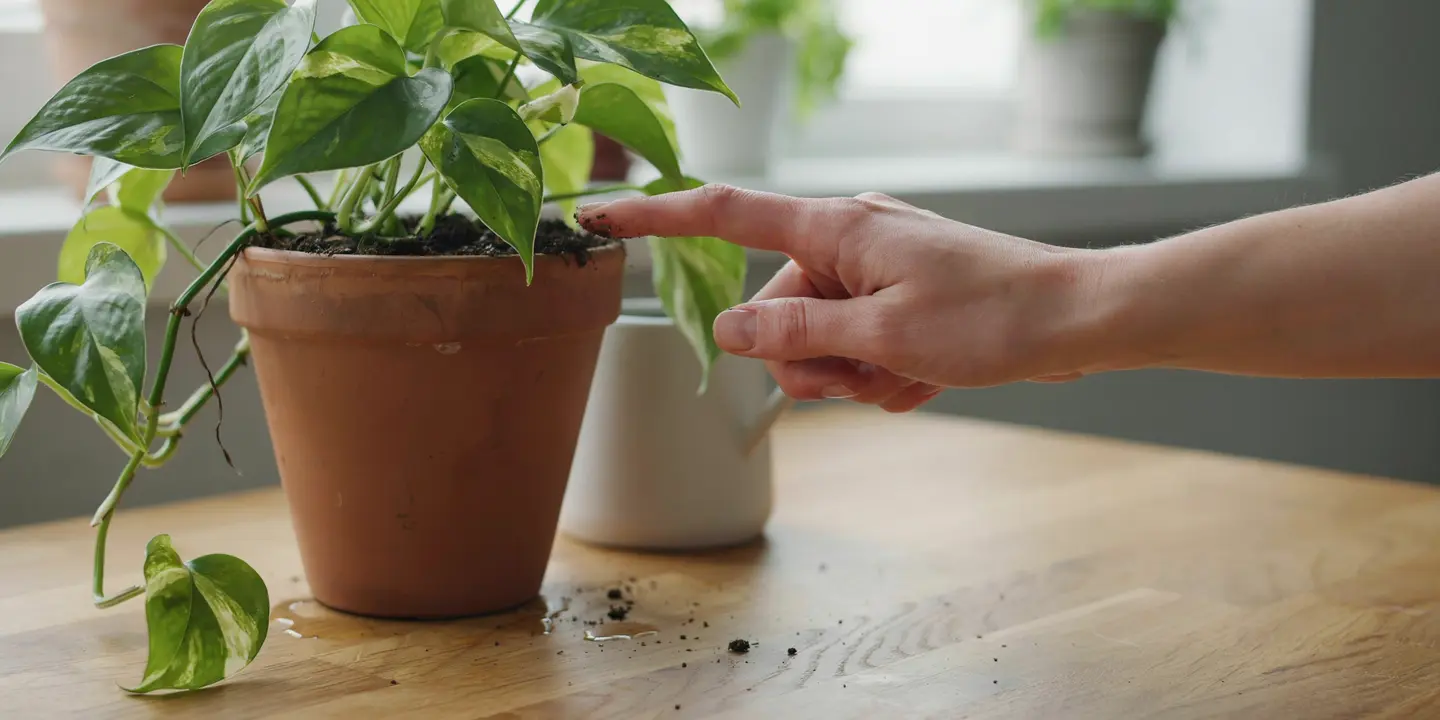
Learning when your pothos actually needs water will help prevent common problems like yellowing leaves, root rot, and stunted growth while encouraging healthy vines and vibrant foliage.
Let the Soil Dry Slightly Between Waterings
As a general rule, water your pothos when the top 1 to 2 inches (2.5 to 5 cm) of soil feels dry to the touch. Instead of watering on a strict schedule, check the soil regularly with your finger. If it still feels damp beneath the surface, wait a few more days before watering again.
When it's time to water, do so thoroughly until excess water drains from the bottom of the pot. This ensures the entire root system receives moisture while allowing any excess water to escape through the drainage holes.
Avoid letting your pothos sit in standing water, as constantly saturated roots can quickly lead to root rot.
Adjust Your Watering With the Seasons
Your pothos' watering needs change throughout the year as temperatures, humidity, and growth rates fluctuate.
Spring and Summer: During the active growing season, pothos generally needs watering every 7 to 10 days, depending on light levels and indoor temperatures. Plants in brighter locations may dry out more quickly than those in shadier spots.
Fall and Winter: Growth naturally slows during the cooler months, meaning the soil stays moist for longer. Watering every 10 to 14 days is often sufficient, though it's always best to rely on the soil rather than the calendar.
Environmental factors such as air conditioning, heating systems, pot size, and humidity can all influence how quickly the soil dries.
Signs Your Pothos Needs More Water
Pothos usually gives clear signals when it's thirsty. Watch for these common signs:
- Drooping or limp vines
- Leaves curling inward
- Dry, crispy leaf edges
- Soil pulling away from the sides of the pot
- Lightweight pot when lifted
If you notice these symptoms and the soil feels dry, a deep watering should help the plant recover within a day or two.
Signs You're Watering Too Much

Overwatering is far more common than underwatering and can cause serious damage if left unchecked. Signs of excessive watering include:
- Yellow leaves, especially near the base of the plant
- Mushy or soft stems
- Constantly wet or soggy soil
- A musty smell coming from the pot
- Black or brown roots when repotting
- Leaves dropping despite moist soil
If overwatering is suspected, allow the soil to dry before watering again and check that your pot has proper drainage.
The Biggest Mistake: Watering on a Schedule
One of the most common beginner mistakes is watering every Saturday or every seven days without checking the soil. Plants don't follow calendars, they respond to their environment.
A pothos growing near a sunny window in summer may need water much sooner than one sitting in a cooler, lower-light room. By paying attention to the soil instead of sticking to a fixed schedule, you'll naturally develop a watering routine that matches your plant's actual needs.
Tips for Healthy Watering Habits
A few simple habits can make a big difference in keeping your pothos healthy:
- Always use pots with drainage holes.
- Empty decorative cachepots or saucers after watering so roots aren't left sitting in water.
- Water slowly and evenly until excess water drains out.
- Use room-temperature water whenever possible to avoid shocking the roots.
- Check soil moisture before every watering rather than relying on memory.
With a little observation and consistency, watering your pothos becomes second nature. When you let the soil dry slightly between waterings and avoid excess moisture, your plant will reward you with strong roots, lush green leaves, and vigorous growth throughout the year.
Choosing the Right Soil and Pot
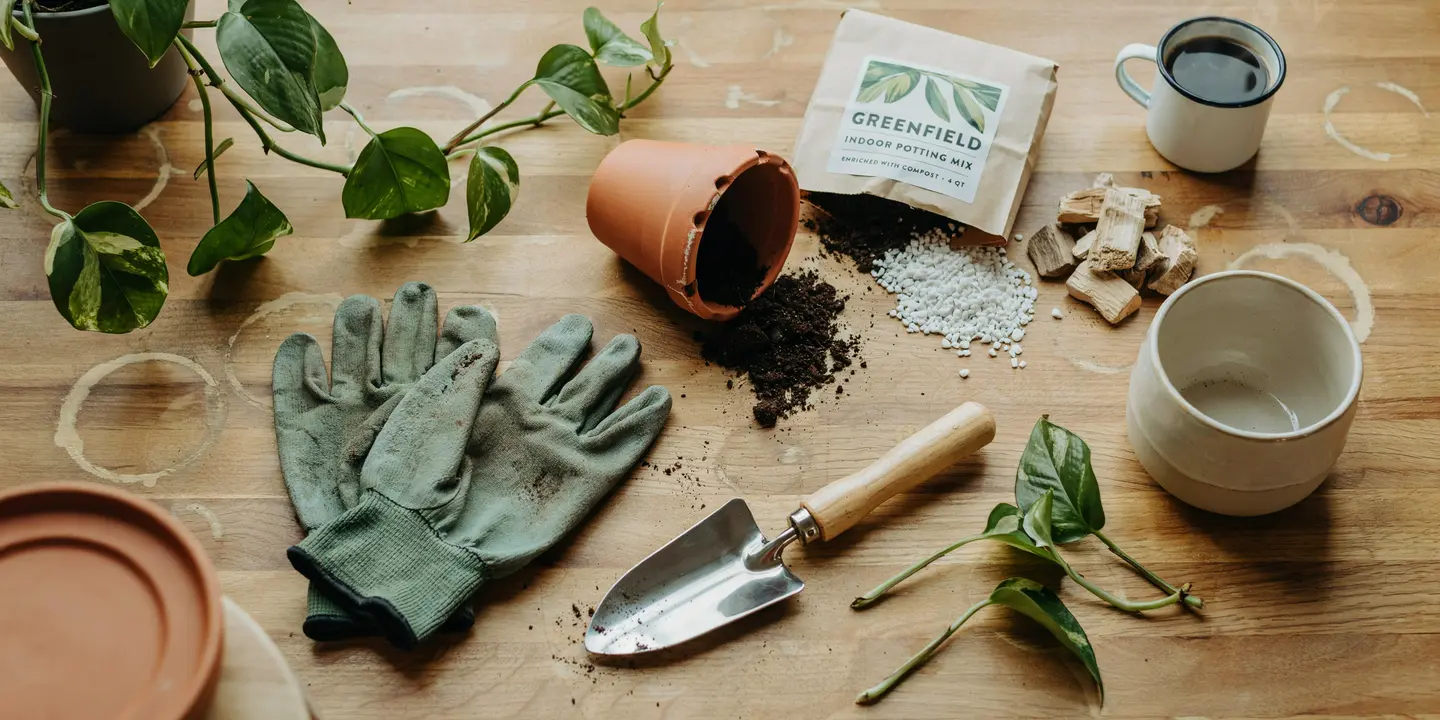
The foundation of a healthy pothos plant starts below the surface. While pothos is adaptable and can tolerate a variety of growing conditions, the right combination of soil and pot will encourage stronger roots, faster growth, and healthier foliage. Choosing a well-draining potting mix and an appropriate container also helps prevent one of the most common problems for indoor plants, root rot.
Use a Well-Draining Potting Mix
Pothos prefers soil that retains enough moisture to keep the roots hydrated while allowing excess water to drain away quickly. Heavy, compacted soil that stays wet for long periods can suffocate the roots and create ideal conditions for fungal diseases.
A high-quality indoor potting mix usually works well on its own, but you can improve drainage by mixing in ingredients such as:
- Perlite to increase airflow and drainage.
- Orchid bark to create larger air pockets around the roots.
- Coco coir to retain moisture without becoming waterlogged.
- Coarse sand or pumice for improved soil structure.
The goal is to create a light, airy growing medium that stays evenly moist but never soggy.
Choose a Pot with Drainage Holes
No matter how carefully you water, a pot without drainage holes significantly increases the risk of overwatering. Drainage holes allow excess water to escape instead of collecting around the roots, helping maintain the right balance of moisture and oxygen.
If you love the look of decorative containers without drainage, place your pothos in a nursery pot with drainage holes and set that pot inside the decorative planter. This gives you the best of both worlds, healthy roots and attractive décor.
Which Pot Material Is Best?
Pothos grows well in several types of containers, each offering its own advantages:
Terracotta Pots
Terracotta is porous, allowing moisture to evaporate through the sides of the pot. This helps prevent overly wet soil and is a great choice for gardeners who tend to overwater.
Plastic Pots
Plastic pots retain moisture longer, making them ideal for drier homes or plant owners who occasionally forget to water. They're also lightweight, affordable, and widely available.
Ceramic Pots
Glazed ceramic pots combine style with functionality. They retain moisture similarly to plastic while offering a more decorative appearance. Just make sure they include drainage holes.
Choosing the Right Pot Size
A common mistake is placing a small pothos into a pot that's much larger than its root system. While it may seem like you're giving the plant room to grow, oversized pots hold excess soil and moisture, increasing the chance of root rot.
Instead, choose a pot that's only 1 to 2 inches (2.5 to 5 cm) wider than the current root ball. This provides enough room for new growth without overwhelming the plant.
When Should You Repot?
Pothos doesn't mind being slightly root-bound, but eventually it will outgrow its container. Signs that it's time to repot include:

- Roots growing through the drainage holes.
- Water draining straight through without soaking the soil.
- Slower growth despite proper care.
- The plant drying out much faster than usual.
- Roots circling tightly inside the pot.
Most pothos plants benefit from repotting every one to two years, depending on how quickly they're growing.
Creating the Ideal Growing Environment
Healthy roots are the key to a healthy pothos. By combining a well-draining soil mix with a properly sized pot that has drainage holes, you'll provide the perfect environment for steady growth. Strong roots allow the plant to absorb water and nutrients efficiently, resulting in fuller vines, larger leaves, and a vibrant appearance that can last for many years.
Getting the soil and pot right from the beginning makes nearly every other aspect of pothos care easier, setting your plant up for long-term success.
Temperature and Humidity Requirements
Pothos is native to warm, tropical forests where temperatures remain fairly consistent and humidity levels are naturally high. While it adapts surprisingly well to typical indoor environments, recreating some of these conditions will encourage faster growth, healthier foliage, and stronger vines. The good news is that most homes already provide a suitable climate for this easygoing plant.
Ideal Temperature Range
Pothos grows best in temperatures between 65°F and 85°F (18°C to 29°C). This range closely matches the conditions found in most homes, making it an excellent year-round houseplant.

Short periods slightly outside this range usually aren't a problem, but prolonged exposure to cold temperatures can stress the plant. If temperatures drop below 50°F (10°C), growth may slow significantly, leaves can become damaged, and the risk of long-term health issues increases.
To keep your pothos happy, avoid placing it near:
- Drafty windows during winter.
- Frequently opened exterior doors.
- Air conditioning vents.
- Heating vents or radiators.
- Fireplaces and other direct heat sources.
Sudden temperature fluctuations can be just as stressful as consistently poor conditions, so aim for a stable environment whenever possible.
Does Pothos Need High Humidity?
Although pothos tolerates average household humidity remarkably well, it naturally prefers humidity levels between 40% and 60% or higher. In more humid environments, you'll often notice:
- Faster vine growth.
- Larger leaves.
- Richer foliage color.
- Healthier aerial roots.
- Fewer brown leaf tips.
If your home feels comfortable to you, your pothos will likely be comfortable as well. However, very dry indoor air, especially during winter when heating systems are running, can sometimes lead to crispy leaf edges or slower growth.
Simple Ways to Increase Humidity
If you want to give your pothos a little extra boost, there are several easy ways to raise humidity around the plant:
Group Plants Together
Houseplants naturally release moisture into the air through transpiration. Keeping several plants close together creates a small pocket of higher humidity that benefits them all.
A room humidifier is one of the most effective ways to maintain consistent humidity, particularly during dry winter months or in air-conditioned homes.
Place It in Naturally Humid Rooms
Bathrooms, kitchens, and laundry rooms with good natural light often have higher humidity levels, making them excellent locations for pothos.
Use a Pebble Tray
Fill a shallow tray with pebbles and water, then place the pot on top of the stones so it sits above the waterline. As the water evaporates, it increases humidity around the plant without leaving the roots submerged.
Should You Mist Your Pothos?
Many people mist their houseplants, believing it significantly increases humidity. While occasional misting won't harm a healthy pothos, the effect is only temporary and doesn't noticeably raise humidity for long.
Instead of relying on misting, focus on maintaining consistent humidity through plant grouping, humidifiers, or naturally humid spaces. These methods provide much more meaningful benefits over time.
Watch for Signs of Environmental Stress

Your pothos will often tell you when it's unhappy with its environment. Common signs include:
- Brown, crispy leaf edges, often caused by very dry air.
- Drooping leaves due to sudden cold drafts or temperature swings.
- Slow growth during prolonged periods of cold weather.
- Curling leaves when exposed to excessive heat or dry conditions.
Correcting these environmental factors early can help your plant recover quickly and continue producing healthy new growth.
Creating the Perfect Indoor Climate
One of the reasons pothos is loved worldwide is its ability to thrive in ordinary homes without demanding greenhouse conditions. By maintaining warm temperatures, avoiding sudden drafts, and providing moderate humidity, you'll create an environment where your pothos can flourish year-round.
Combined with proper watering and bright, indirect light, the right temperature and humidity will help your plant develop lush vines, vibrant leaves, and steady, healthy growth for many years to come.
Fertilizing Your Pothos
Pothos is known for being one of the easiest houseplants to care for, and that includes its feeding requirements. Unlike flowering plants or heavy feeders, pothos doesn't need constant fertilization to stay healthy. However, providing the right nutrients during its active growing season can encourage faster growth, fuller vines, larger leaves, and richer foliage color.
The key is to fertilize sparingly. Too much fertilizer can do more harm than good, while a balanced feeding routine helps your pothos reach its full potential.
When Should You Fertilize?
Pothos benefits most from fertilizer during its active growing season, which typically runs from spring through early fall. During this period, the plant is producing new leaves and extending its vines, making additional nutrients especially valuable.
In late fall and winter, growth naturally slows as daylight hours decrease. Since the plant isn't actively growing as quickly, it requires far fewer nutrients. In most homes, it's best to stop fertilizing during these cooler months and resume feeding once new spring growth appears.
Choosing the Best Fertilizer
A balanced, water-soluble houseplant fertilizer works well for pothos. Look for products with an equal or nearly equal ratio of nitrogen (N), phosphorus (P), and potassium (K), such as:
- 10-10-10
- 20-20-20
- 10-15-10
Nitrogen supports healthy leaf growth, phosphorus encourages strong root development, and potassium helps improve the plant's overall health and resilience.
Slow-release fertilizers can also be used, providing nutrients gradually over several months with less frequent applications.
How Often Should You Feed Your Pothos?
For most indoor pothos plants, fertilizing once every four to six weeks during the growing season is sufficient. If using a concentrated liquid fertilizer, dilute it to half the recommended strength unless the product instructions specify otherwise.
Using a weaker solution more consistently is generally safer than applying a full-strength fertilizer too often.
Signs Your Pothos May Need Nutrients
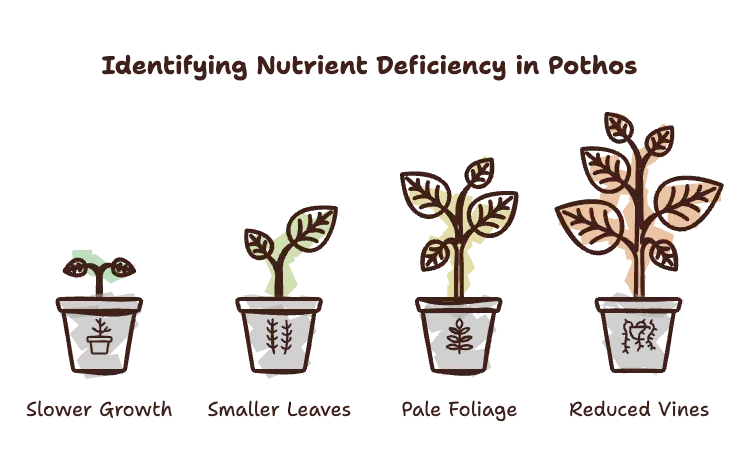
A healthy pothos typically produces new leaves on a regular basis throughout the growing season. If your plant begins to show any of the following signs despite receiving proper light and water, it may benefit from fertilization:
- Slower-than-normal growth.
- Smaller new leaves.
- Pale or lighter green foliage.
- Reduced vine production.
Before assuming the problem is a lack of nutrients, first rule out more common issues such as insufficient light, inconsistent watering, or a root-bound plant.
Avoid Overfertilizing
Adding too much fertilizer won't make your pothos grow faster. In fact, excessive feeding can damage the roots and lead to a buildup of mineral salts in the soil.
Common signs of overfertilization include:
- Brown or scorched leaf edges.
- White crust forming on the soil surface.
- Wilting despite moist soil.
- Yellowing leaves.
- Stunted or distorted growth.
If you suspect fertilizer buildup, flush the soil thoroughly with clean water to help wash away excess salts, then reduce the frequency of future feedings.
Organic Alternatives

If you prefer a more natural approach, several organic fertilizers work well for pothos, including:
- Compost tea.
- Worm castings.
- Fish emulsion.
- Seaweed or kelp fertilizer.
These options release nutrients more gradually and can improve soil health over time, though they may produce slower results than synthetic fertilizers.
Less Is Often More
One of the biggest advantages of growing pothos is that it doesn't demand constant feeding. In fact, many healthy pothos plants thrive with only occasional fertilization when paired with bright, indirect light, proper watering, and good-quality soil.
Think of fertilizer as a supplement rather than a necessity. By feeding your pothos moderately during the growing season and allowing it to rest during winter, you'll encourage vigorous growth without overwhelming the plant, helping it stay lush, vibrant, and healthy year after year.
How to Prune Pothos for Fuller Growth
Pruning is one of the easiest ways to keep your pothos looking lush, healthy, and well-shaped. While pothos naturally produces long trailing vines, regular trimming encourages the plant to become fuller and bushier rather than sparse and leggy. It also helps remove damaged foliage, stimulates new growth, and gives you the opportunity to propagate new plants from the cuttings.
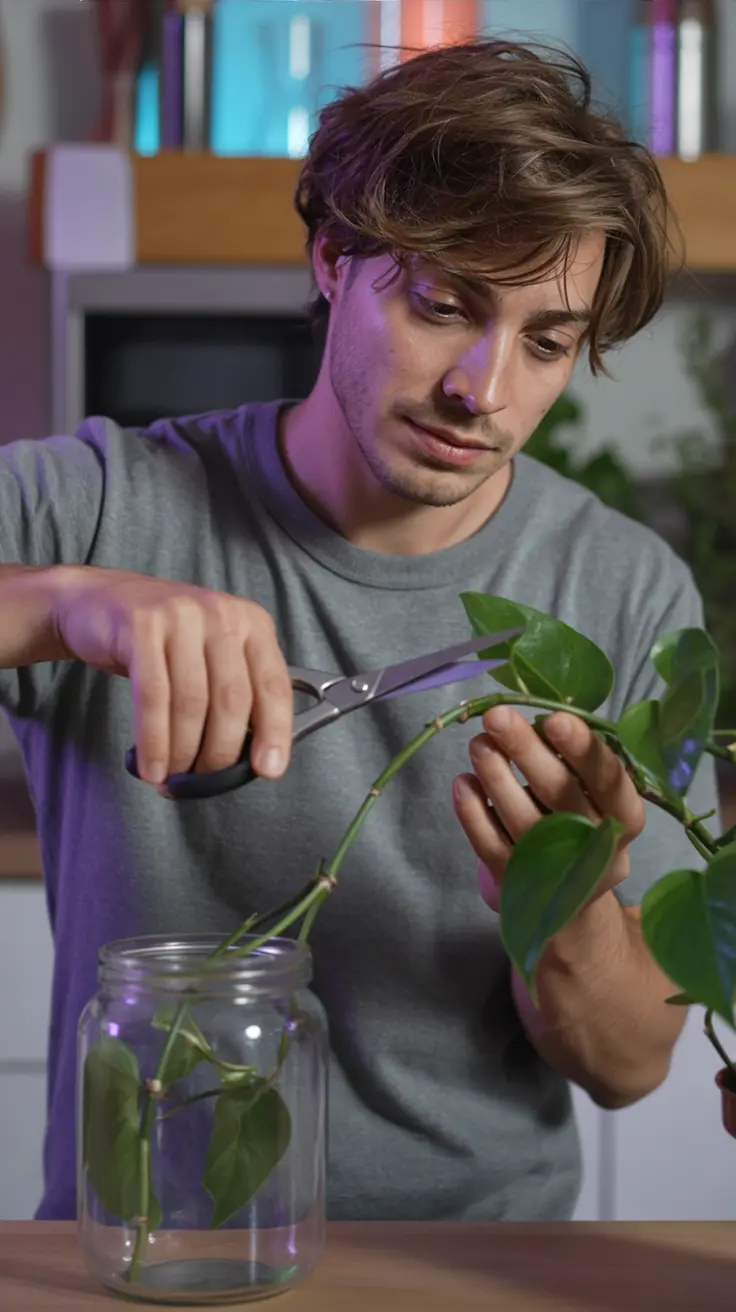
The best part? Pothos responds exceptionally well to pruning, making it one of the most forgiving houseplants to trim.
Why Pruning Is Important
Without occasional pruning, pothos vines can become long with fewer leaves near the base, creating a thin or uneven appearance. By trimming the vines strategically, you encourage the plant to send out new shoots, resulting in a denser, more attractive plant.
Regular pruning also offers several other benefits:
- Promotes fuller, bushier growth.
- Encourages new leaves to develop.
- Removes yellow, damaged, or diseased foliage.
- Prevents vines from becoming too long or tangled.
- Improves air circulation around the plant.
- Provides healthy cuttings for propagation.
Even pruning just a few times each year can dramatically improve your pothos' appearance.
When Is the Best Time to Prune?
The ideal time to prune pothos is during its active growing season in spring and summer. During this period, the plant recovers quickly and produces new growth soon after trimming.
Light pruning can be done at any time of year if you need to remove damaged or yellowing leaves, but major shaping is best saved for the warmer growing months.
How to Prune Your Pothos
Pruning pothos is simple and only requires a clean, sharp pair of pruning shears or scissors.

Start by identifying vines that are:
- Too long.
- Leggy with large gaps between leaves.
- Damaged or broken.
- Growing in unwanted directions.
Make each cut just above a leaf node, the small bump where leaves and aerial roots emerge from the stem. New growth will usually develop from the node below the cut, helping the plant become fuller over time.
If you're only trying to control the size of your pothos, remove a few inches from the ends of the longest vines. For a fuller plant, prune several vines throughout the plant instead of trimming only one side.
Remove Dead or Damaged Leaves
Yellow, brown, torn, or diseased leaves won't recover and continue to use some of the plant's energy. Remove these leaves by cutting them close to the stem or gently pinching them off with clean fingers.
Regularly removing unhealthy foliage also improves the overall appearance of the plant and helps you spot potential care problems early.
Don't Throw Away the Cuttings
One of the biggest advantages of pruning pothos is that almost every healthy cutting can become a brand-new plant.
Stem cuttings with at least one or two nodes can easily be rooted in water or soil, allowing you to:
- Grow new plants for your home.
- Fill out the original pot by planting rooted cuttings back into it.
- Share plants with family and friends.
- Expand your indoor plant collection for free.
Many gardeners intentionally prune their pothos simply to create more plants.
Use Clean Tools Every Time
Always clean your scissors or pruning shears before trimming your pothos. Wiping the blades with rubbing alcohol or a disinfectant helps prevent the spread of bacteria, fungi, or plant diseases between different houseplants.
Sharp, clean cuts also heal faster and reduce unnecessary stress on the plant.
How Often Should You Prune?
There's no strict schedule for pruning pothos. Most healthy plants benefit from light trimming every few months, while fast-growing vines may need shaping more frequently during spring and summer.
A good rule of thumb is to prune whenever your pothos begins looking uneven, overly long, or sparse. Regular maintenance keeps the plant compact, encourages continuous new growth, and maintains the lush appearance that makes pothos such a popular houseplant.
With just a few careful cuts each season, your pothos will continue producing fuller vines, healthier foliage, and a more vibrant display that enhances any indoor space.
How to Propagate Pothos Successfully
One of the most rewarding aspects of growing pothos is how incredibly easy it is to propagate. With just a healthy vine and a few simple tools, you can create brand-new plants in a matter of weeks. Whether you want to fill out your existing pot, decorate another room, or share cuttings with friends and family, propagation is an affordable and satisfying way to expand your indoor garden.
The best time to propagate pothos is during spring and summer, when the plant is actively growing. While propagation can be successful at other times of the year, new roots typically develop faster during the growing season.
Water Propagation
Water propagation is the most popular and beginner-friendly method because it allows you to watch the roots develop over time.
Step 1: Choose a Healthy Vine
Select a healthy vine with several leaves and no signs of disease or damage. Healthy cuttings have the highest chance of rooting quickly.
Step 2: Cut Below a Node
Using clean, sharp scissors or pruning shears, cut a section of vine that is 4 to 6 inches (10 to 15 cm) long. Make the cut just below a leaf node, which is the small bump where leaves and aerial roots grow from the stem.

Each cutting should have at least:
- Two to four healthy leaves.
- One or more visible nodes.
- A healthy green stem.
Step 3: Remove the Lower Leaves
Remove the leaves closest to the cut end so that the nodes can sit underwater without the leaves rotting.
Leave the upper leaves intact to continue producing energy for root development.
Step 4: Place the Cutting in Water
Place the cutting into a clean glass or jar filled with room-temperature water, ensuring that the nodes remain submerged while the leaves stay above the waterline.
Position the container in bright, indirect light, avoiding direct sunlight that may encourage algae growth or overheat the water.
Step 5: Change the Water Regularly
Replace the water every five to seven days to keep it fresh and oxygenated. Clean water helps prevent bacteria from developing and supports healthy root growth.
Step 6: Wait for Roots to Develop
Small white roots often begin appearing within one to two weeks, although cooler temperatures may slow the process.
Allow the roots to reach approximately 2 to 3 inches (5 to 8 cm) before transferring the cutting into soil. Stronger roots generally adapt more successfully after planting.
Soil Propagation
If you prefer, pothos can also be rooted directly in potting soil.
Begin by preparing a small pot filled with moist, well-draining potting mix. Insert the cutting so that at least one node is buried beneath the soil while the leaves remain above the surface.
Keep the soil lightly moist, not soggy, and place the pot in bright, indirect light. New roots typically establish within a few weeks, though they won't be visible as they are during water propagation.
Many gardeners choose this method because the plant doesn't need to adjust from water roots to soil roots after transplanting.
How to Know When Your Cutting Is Ready
If you've propagated your pothos in water, the cutting is generally ready for planting when:
- Roots are at least 2 to 3 inches long.
- Several healthy white roots have developed.
- Fresh new leaves begin emerging.
- The roots appear sturdy rather than thin and fragile.
After planting, water the soil thoroughly and keep it slightly moist during the first week while the roots settle into their new environment.
Can You Plant Multiple Cuttings Together?
Absolutely. In fact, planting several rooted cuttings into one pot is one of the easiest ways to create a fuller, bushier pothos from the very beginning.
Instead of growing one long vine, multiple stems produce a denser plant with lush foliage that fills the container much more quickly.
Common Propagation Mistakes to Avoid

While pothos propagation is straightforward, avoiding a few common mistakes will improve your success rate:
- Cutting stems that don't contain a node.
- Leaving leaves submerged in water.
- Using dirty containers or pruning tools.
- Placing cuttings in harsh direct sunlight.
- Forgetting to change the water regularly.
- Transplanting before the roots are well established.
Paying attention to these small details greatly increases the likelihood of healthy, vigorous new plants.
Growing Your Collection for Free
Few houseplants are as generous as pothos. A single healthy plant can produce dozens of cuttings over time, allowing you to create an entire collection without buying additional plants. With a little patience and proper care, those small cuttings will soon develop into thriving vines that can brighten every corner of your home, or become thoughtful gifts for fellow plant lovers.
Repotting Your Pothos
Although pothos enjoys being slightly root-bound, it won't stay happy in the same container forever. As the plant grows, its roots gradually fill the pot, leaving less room for water, nutrients, and fresh soil. Repotting at the right time gives the roots more space to expand, replenishes nutrients, and encourages vigorous new growth.
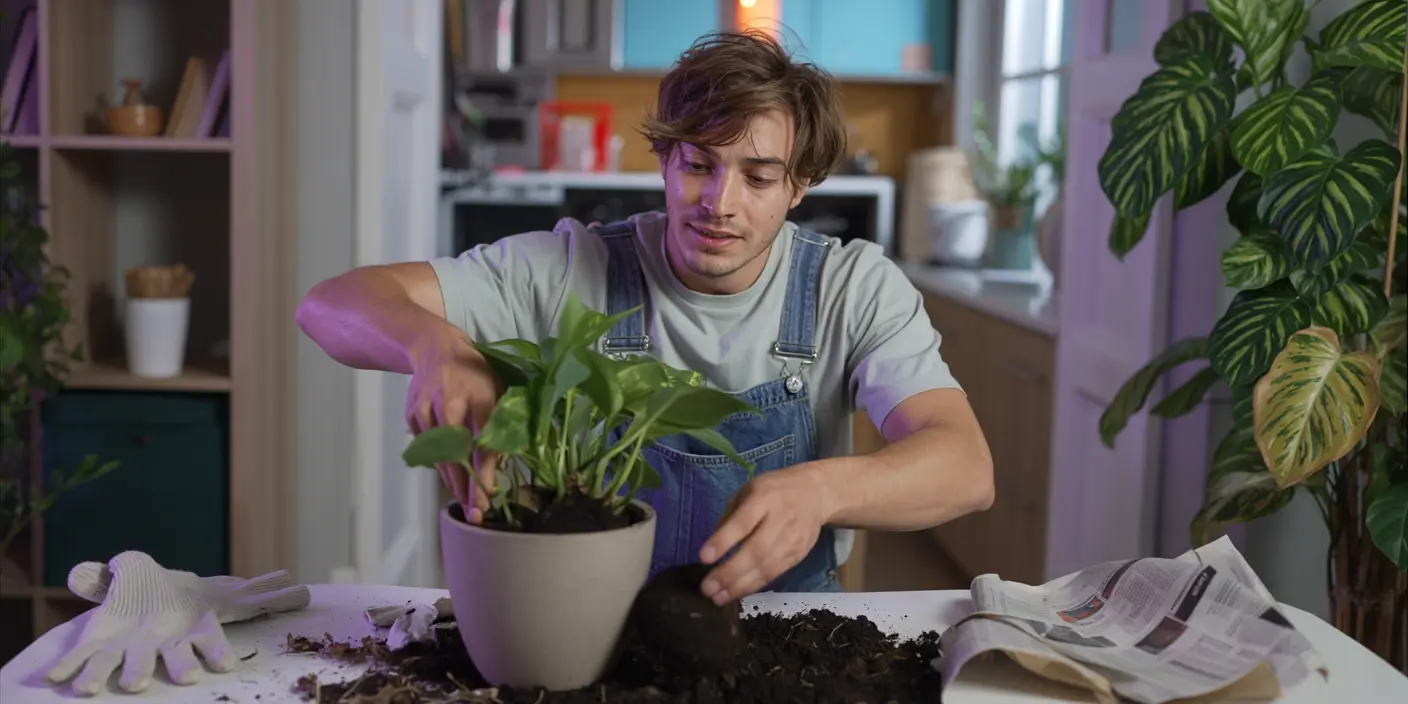
Fortunately, pothos handles repotting well when it's done correctly, and most plants recover quickly with minimal stress.
How Do You Know It's Time to Repot?
A healthy pothos will let you know when it has outgrown its current home. Watch for these common signs:
- Roots growing out of the drainage holes.
- Roots circling tightly around the inside of the pot.
- Water running straight through the container without soaking into the soil.
- Soil drying out much faster than usual.
- Slower growth despite proper light, watering, and fertilizing.
- The plant becoming top-heavy or tipping over easily.
If you notice several of these signs, your pothos is likely ready for a larger container.
When Is the Best Time to Repot?
The ideal time to repot pothos is during spring or early summer, when the plant is actively growing. During this period, the roots establish themselves more quickly, reducing transplant shock and allowing the plant to resume healthy growth sooner.
While repotting can be done at other times of the year if necessary, avoid doing so during winter unless the plant is experiencing serious issues such as root rot or extremely compacted roots.
Choose the Right Pot Size
One of the most common mistakes is moving a pothos into a pot that's far too large.
Instead, select a new container that's only 1 to 2 inches (2.5 to 5 cm) wider in diameter than the current one. This provides enough room for new root growth while preventing excess soil from holding unnecessary moisture.
Always choose a pot with drainage holes to help excess water escape and reduce the risk of root rot.
Step-by-Step Guide to Repotting

Repotting pothos is simple if you take your time:
- Water the plant a day before repotting to reduce stress and make the roots easier to remove.
- Prepare the new pot with a layer of fresh, well-draining potting mix.
- Gently remove the pothos from its current container by supporting the base of the plant and easing the root ball out.
- Inspect the roots, trimming away any black, mushy, or damaged sections with clean scissors.
- Loosen tightly circling roots with your fingers to encourage them to spread into the new soil.
- Position the plant in the center of the new pot at the same depth it was previously growing.
- Fill around the root ball with fresh potting mix, gently pressing the soil to remove large air pockets without compacting it.
- Water thoroughly until excess water drains from the bottom of the pot.
Your pothos may appear slightly droopy for a day or two, but this is a normal response to being transplanted.
Caring for Your Pothos After Repotting
After repotting, place your pothos in bright, indirect light and avoid direct sunlight for the first week. This gives the roots time to settle without additional stress.
For the next few weeks:
- Keep the soil evenly moist but not waterlogged.
- Avoid fertilizing for about four weeks, allowing the roots to recover before introducing additional nutrients.
- Monitor the plant for signs of new growth, which indicates that it has successfully adjusted to its new container.
With proper care, your pothos should quickly resume producing healthy leaves and extending its vines.
Can You Divide a Large Pothos?
If your pothos has become very large, repotting also provides an opportunity to divide it into multiple plants.
Carefully separate sections of the root ball that have their own healthy stems and roots, then plant each division into its own pot. This is an excellent way to rejuvenate an older plant while creating several new ones at the same time.
Fresh Soil, Fresh Growth
Repotting is more than simply moving your pothos into a larger container, it's a chance to refresh its growing environment. New soil provides essential nutrients, improved drainage, and better airflow around the roots, all of which contribute to healthier growth.
By repotting every one to two years, choosing the right-sized container, and giving your plant a little extra care afterward, you'll help your pothos continue producing lush vines and beautiful foliage for many years to come.
Common Problems and How to Fix Them
Even though pothos is one of the easiest houseplants to grow, it's not completely immune to problems. The good news is that most issues develop gradually and are easy to correct once you identify the underlying cause. Your pothos often communicates through its leaves, stems, and growth patterns, giving you plenty of warning before serious damage occurs.
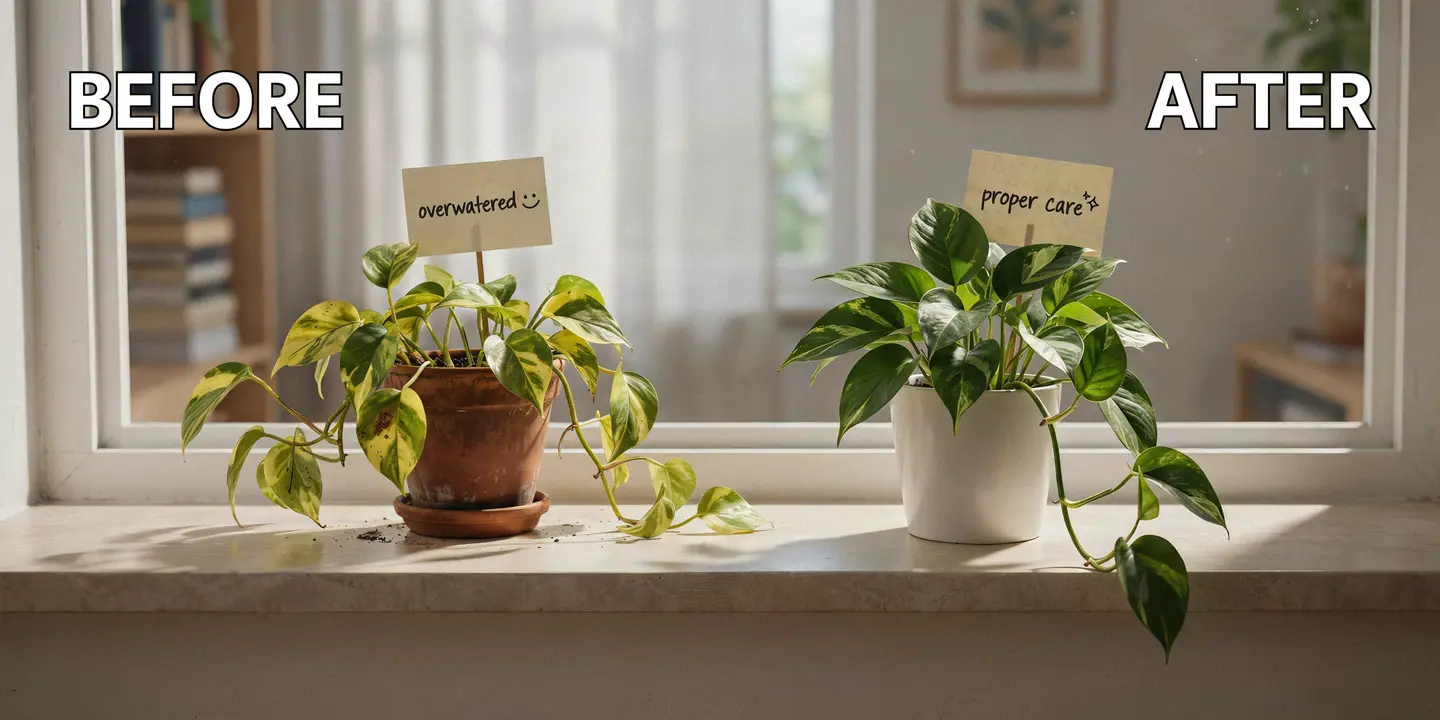
Understanding these common problems will help you keep your plant healthy and thriving for years to come.
Yellow Leaves
Yellow leaves are one of the most common concerns among pothos owners. While it's normal for an occasional older leaf to yellow and drop off, multiple yellow leaves usually indicate a care issue.

Possible causes include:
- Overwatering.
- Poor drainage.
- Natural aging of older leaves.
- Insufficient light.
- Root rot.
- Sudden environmental changes.
How to fix it:
Check the soil before watering. If it feels consistently wet, allow it to dry before watering again. Make sure your pot has drainage holes and remove any standing water from saucers or decorative containers. If
is suspected, inspect the roots and trim away any black or mushy sections before repotting into fresh soil.
Brown Leaf Tips
Brown or crispy leaf tips usually point to environmental stress rather than disease.
Common causes include:
- Low humidity.
- Underwatering.
- Mineral buildup from fertilizer.
- Chemicals in tap water.
- Excessive heat.
How to fix it:
Increase humidity if your home is particularly dry, water consistently when the top inch or two of soil becomes dry, and flush the soil occasionally to remove fertilizer salts. If your tap water is heavily treated, allowing it to sit overnight before watering may help reduce chlorine exposure.
Leggy Growth
A leggy pothos has long stretches of bare stem with fewer leaves, making the plant look sparse instead of lush.

Common causes include:
- Insufficient light.
- Lack of pruning.
- Natural vine aging.
How to fix it:
Move the plant to a brighter location with indirect sunlight and prune the longest vines just above leaf nodes. This encourages branching and fuller growth. You can also root the cuttings and plant them back into the same pot to create a denser appearance.
Drooping Leaves
Drooping is often the first visible sign that something isn't quite right.
Possible causes include:
- Dry soil.
- Overwatered roots.
- Temperature stress.
- Recent repotting.
- Root damage.
How to fix it:
Feel the soil before taking action. If it's dry, water thoroughly. If it's wet, allow it to dry before watering again. Avoid exposing the plant to cold drafts or sudden temperature changes, and give recently repotted plants a few days to recover.
Slow Growth
Healthy pothos typically grows steadily during spring and summer. If growth seems unusually slow, several factors may be responsible.
Possible causes include:
- Low light.
- Lack of nutrients.
- Root-bound conditions.
- Cool temperatures.
- Winter dormancy.
How to fix it:
Move the plant to brighter indirect light, fertilize lightly during the growing season, and check whether the roots have filled the pot. If the plant is root-bound, repotting into a slightly larger container often restores vigorous growth.
Root Rot
Root rot is the most serious problem pothos owners encounter, but it's also one of the most preventable.
Signs include:
- Yellowing leaves.
- Soft, black stems.
- Persistent drooping despite wet soil.
- Foul-smelling potting mix.
- Mushy black roots.
How to fix it:
Remove the plant from its pot immediately. Trim away all affected roots using sterilized scissors, discard the old soil, disinfect the pot if you're reusing it, and repot the plant into fresh, well-draining soil. Reduce watering until new growth appears.
Preventing Future Problems
The easiest way to avoid most pothos issues is by maintaining consistent care. A few simple habits go a long way:
- Water only when the top layer of soil has dried.
- Provide bright, indirect light.
- Use a pot with drainage holes.
- Fertilize moderately during the growing season.
- Inspect the leaves regularly for early signs of stress.
- Prune occasionally to encourage healthy, bushy growth.
By catching problems early and making small adjustments to your care routine, your pothos can recover quickly from most setbacks. With the right balance of light, water, and attention, it will continue producing lush vines and vibrant foliage that bring life to your indoor space for years to come.
Common Pests That Affect Pothos

Pothos is a hardy houseplant that naturally resists many common pests, but no indoor plant is completely immune. Insects are more likely to appear when a plant is stressed due to improper watering, poor lighting, low humidity, or overcrowded growing conditions. Fortunately, most pest problems can be managed quickly if they're caught early.
Making a habit of inspecting your pothos every week can prevent a small infestation from becoming a much bigger issue.
Spider Mites
Spider mites are tiny pests that are difficult to see with the naked eye, but they can cause noticeable damage over time. They thrive in warm, dry conditions and usually gather on the undersides of leaves.
Signs of spider mites include:
- Tiny yellow or white speckles on the leaves.
- Fine webbing between leaves and stems.
- Leaves becoming dull or faded.
- Premature leaf drop during severe infestations.
How to treat them:
Isolate the affected plant to prevent the mites from spreading. Wipe both sides of the leaves with a damp cloth and spray the foliage with insecticidal soap or neem oil every few days until the infestation is under control. Increasing humidity can also make conditions less favorable for spider mites.
Mealybugs
Mealybugs are soft-bodied insects covered in a white, cotton-like substance. They feed by sucking sap from the plant, weakening stems and slowing growth.

Signs of mealybugs include:
- White cottony clusters where leaves meet the stem.
- Sticky residue on leaves.
- Yellowing foliage.
- Slower growth.
How to treat them:
Remove individual mealybugs with a cotton swab dipped in rubbing alcohol. For larger infestations, spray the entire plant with insecticidal soap or neem oil, paying special attention to leaf joints and hidden areas where the insects often gather.
Scale Insects
Scale insects appear as small brown, tan, or gray bumps attached to stems and leaves. Because they rarely move once attached, they're often mistaken for part of the plant.
Signs of scale include:
- Small raised bumps on stems.
- Sticky honeydew on leaves.
- Yellowing foliage.
- Reduced plant vigor.
How to treat them:
Carefully scrape scale insects off using your fingernail or a soft cloth, then treat the plant with horticultural oil or insecticidal soap to eliminate any remaining insects.
Fungus Gnats
Fungus gnats are small flying insects commonly found around overwatered houseplants. While the adult insects are mostly a nuisance, their larvae feed on organic matter in moist soil and can occasionally damage young roots.

Signs of fungus gnats include:
- Tiny black flies around the soil.
- Constantly damp potting mix.
- Slower growth in young plants.
- Larvae visible near the soil surface.
How to treat them:
Allow the top few inches of soil to dry between waterings, reducing the moist conditions fungus gnats prefer. Yellow sticky traps help capture adult insects, while replacing the top layer of soil can reduce larvae populations. Maintaining proper watering habits is the most effective long-term solution.
Natural Pest Control Options
Many pothos owners prefer natural methods before turning to stronger insecticides. Some effective options include:
- Neem oil sprays.
- Insecticidal soap.
- Rubbing alcohol for spot treatments.
- A gentle shower to rinse pests from the leaves.
- Sticky traps for flying insects.
Whichever treatment you choose, repeat applications according to the product instructions until no signs of pests remain.
How to Prevent Pest Problems

Prevention is always easier than treatment. Healthy pothos plants are naturally more resistant to insect infestations.
To reduce the risk of pests:
- Inspect your plant weekly, especially the undersides of leaves.
- Wipe dust from the foliage regularly.
- Avoid overwatering, which attracts fungus gnats.
- Keep good airflow around your plants.
- Quarantine new houseplants for a couple of weeks before placing them near your existing collection.
- Remove dead leaves and debris from the soil surface.
Early Detection Makes All the Difference
Most pothos pest problems are manageable when caught early. A quick weekly inspection, proper watering habits, and a clean growing environment are usually enough to keep your plant healthy and pest-free. By acting at the first sign of trouble, you can prevent insects from spreading and ensure your pothos continues producing lush, vibrant foliage throughout the year.
Is Pothos Toxic to Pets?
Pothos may be one of the easiest and most beautiful houseplants to grow, but it's important to know that it is toxic if ingested by both pets and people. While serious or life-threatening poisoning is uncommon, chewing or eating parts of the plant can cause irritation and discomfort due to naturally occurring compounds called insoluble calcium oxalate crystals.
If you share your home with curious cats, playful dogs, or young children, it's worth taking a few precautions to keep everyone safe.
Is Pothos Toxic to Cats?
Yes. Pothos is considered toxic to cats. Cats are naturally curious and may chew on trailing vines or dangling leaves, especially if the plant is placed within easy reach.
If a cat bites into a pothos leaf, the calcium oxalate crystals can irritate the mouth, tongue, and throat almost immediately.
Common symptoms include:
- Excessive drooling.
- Pawing at the mouth.
- Difficulty swallowing.
- Vomiting.
- Loss of appetite.
- Mouth irritation or swelling.
If you suspect your cat has eaten pothos, contact your veterinarian promptly for advice, especially if symptoms are severe or persistent.
Is Pothos Toxic to Dogs?
Yes. Dogs can experience similar symptoms after chewing or swallowing pothos leaves or stems.

Signs to watch for include:
- Drooling.
- Vomiting.
- Swollen lips or tongue.
- Difficulty eating.
- Mouth discomfort.
- Reduced interest in food.
Most dogs recover with supportive care, but it's always safest to consult your veterinarian if your pet has consumed any part of the plant.
Is Pothos Safe Around Children?
Young children may also be attracted to pothos because of its long vines and colorful leaves. If chewed or swallowed, the plant can cause:
- Burning sensations in the mouth.
- Swelling of the lips or tongue.
- Drooling.
- Difficulty swallowing.
- Stomach discomfort.
Although severe reactions are uncommon, children should never be allowed to chew on houseplants. If ingestion occurs, seek guidance from a healthcare professional or your local poison center.
Safe Placement Ideas
The easiest way to enjoy pothos while reducing the risk to pets and children is to keep it out of reach.

Consider placing your pothos in:
- Hanging baskets suspended from the ceiling.
- High floating shelves.
- Wall-mounted planters.
- Tall bookcases.
- Rooms that pets cannot access.
- Plant stands positioned away from curious animals.
If your cat enjoys climbing, remember that "out of reach" may still be reachable. Choose locations carefully based on your pet's behavior.
Can You Still Grow Pothos with Pets?
Absolutely. Many pet owners successfully grow pothos by taking simple precautions and supervising curious animals. If your pets tend to ignore houseplants, pothos may not present much of a challenge. However, if you know your cat or dog enjoys chewing leaves, you may want to place the plant in an inaccessible area or consider choosing a pet-safe alternative for lower locations.
Providing pets with safe enrichment, such as cat grass, chew toys, scratching posts, or interactive play, can also reduce their interest in houseplants.
Enjoy Your Pothos Responsibly
Pothos remains one of the world's most popular indoor plants because it's beautiful, resilient, and easy to care for. While its toxicity is something every owner should be aware of, it doesn't mean you have to avoid growing it. With thoughtful placement and a little extra awareness, you can safely enjoy the lush trailing vines of a pothos while protecting your pets and family members from accidental exposure.
Styling Ideas for Pothos Around Your Home
One of the reasons pothos has become a favorite among interior designers and plant enthusiasts is its incredible versatility. Its graceful trailing vines and vibrant foliage complement almost any décor style, from modern and minimalist to rustic, bohemian, or Scandinavian. Whether you have a small apartment or a spacious home, there are countless creative ways to display this beautiful indoor vine.
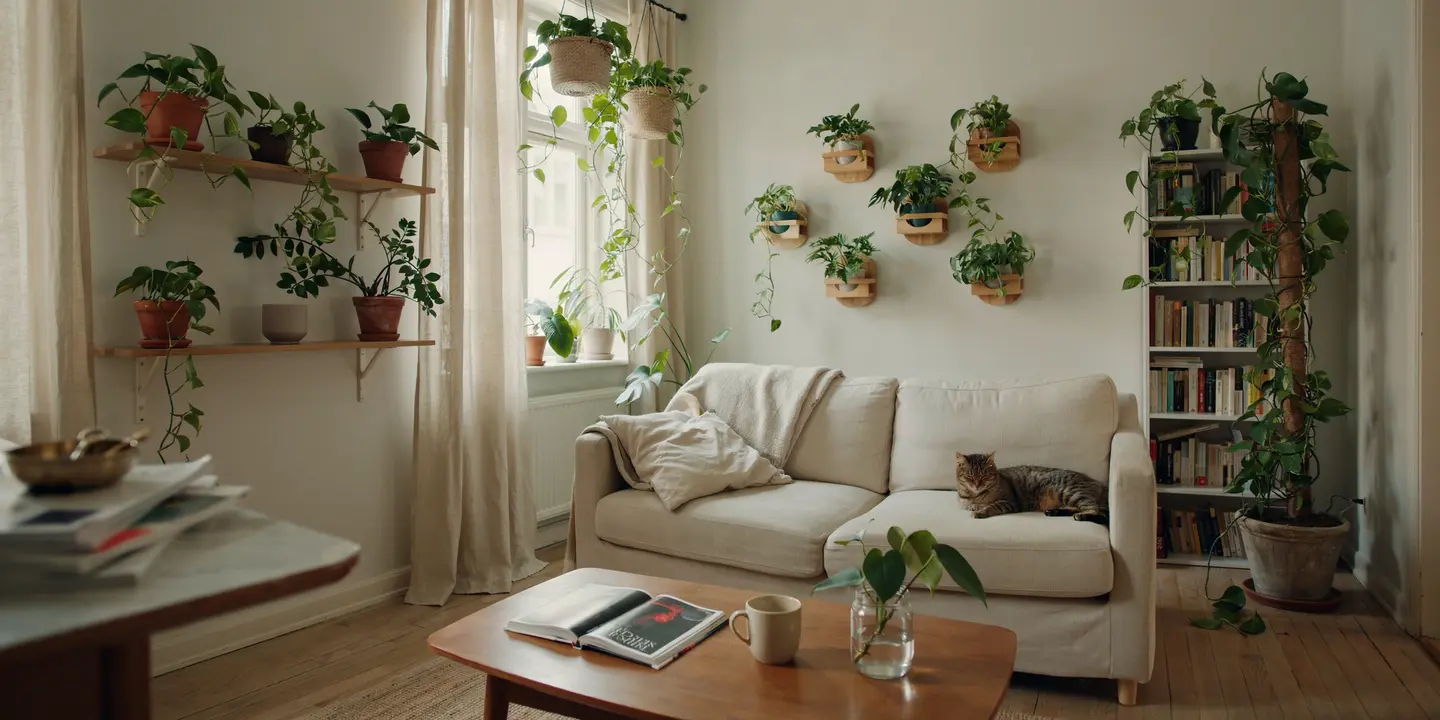
Here are some inspiring ideas to help your pothos become a standout feature in your home.
Hanging Baskets
A hanging basket is one of the most popular ways to showcase pothos. As the vines grow longer, they cascade naturally over the edges, creating a lush waterfall of greenery that adds movement and softness to a room.
Hang your pothos near a bright window with filtered light, in a cozy reading nook, or in the corner of a living room to draw the eye upward and make the space feel more vibrant.
Bookshelves
Pothos looks especially striking when placed on the top shelf of a bookcase. The vines can trail down through books, decorative objects, and framed photos, creating a layered, lived-in aesthetic.
You can allow the vines to hang freely or gently guide them along the shelves for a more intentional display. This simple arrangement adds warmth and texture without taking up additional floor space.
Plant Stands
Elevating your pothos on a decorative plant stand gives it more prominence while allowing the vines room to drape elegantly toward the floor. Plant stands are ideal for bright corners that need a touch of greenery and work well in living rooms, bedrooms, entryways, or home offices.
Using stands of different heights alongside other houseplants also creates an attractive indoor plant display with added depth and dimension.
Moss Poles
In its natural habitat, pothos climbs trees using aerial roots. Recreating this environment indoors with a moss pole encourages the plant to grow upward rather than trail downward.
Climbing pothos often develops:
- Larger leaves.
- Stronger stems.
- More vigorous growth.
- A fuller, tropical appearance.
As the vines grow, gently secure them to the moss pole using soft plant ties until the aerial roots naturally attach themselves.
Wall Trellises
For a dramatic design feature, train your pothos along a wall trellis or guide the vines using removable wall clips. This creates a living wall effect that can transform an empty wall into a stunning focal point.
You can arrange the vines into creative patterns, geometric shapes, arches, or flowing designs that evolve as the plant continues to grow.
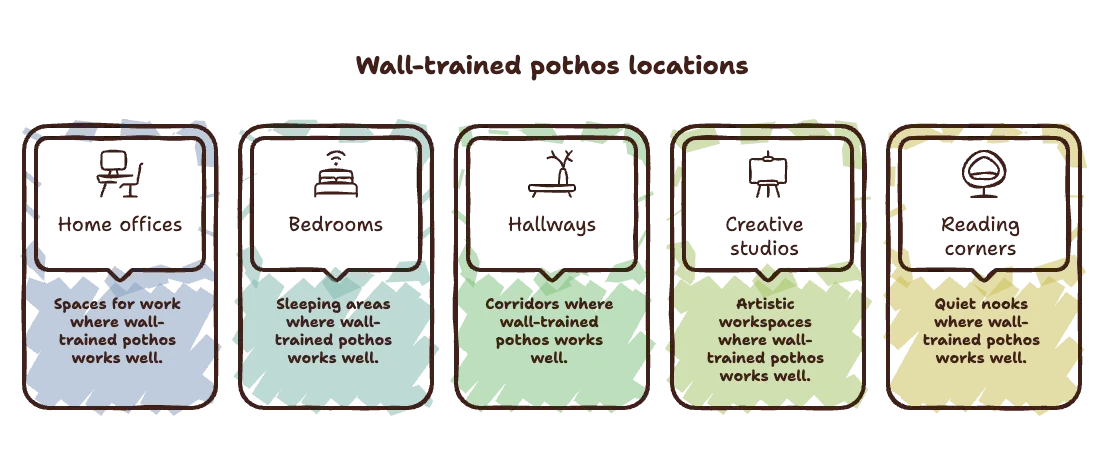
Wall-trained pothos works particularly well in:
- Home offices.
- Bedrooms.
- Hallways.
- Creative studios.
- Reading corners.
Bathroom Décor
If your bathroom receives bright, indirect natural light, pothos can thrive in the naturally humid environment.
Place it on:
- Floating shelves.
- Window ledges.
- Bathroom cabinets.
- Hanging planters.
The added humidity often encourages lush growth while bringing a spa-like atmosphere to the space.
Create a Living Centerpiece
Smaller pothos plants can make beautiful centerpieces for dining tables, coffee tables, or kitchen islands. Pair them with ceramic planters, woven baskets, or decorative pots that complement your interior design style.
Combining pothos with candles, books, or natural wood accents creates an inviting display that feels both fresh and timeless.
Mix with Other Houseplants
Pothos pairs beautifully with many other indoor plants thanks to its trailing growth habit. Consider combining it with upright plants such as snake plants, ZZ plants, peace lilies, or rubber plants to create visual contrast in height, texture, and leaf shape.
Grouping several plants together also increases humidity slightly, benefiting your entire indoor plant collection.
Let Your Creativity Grow
One of the greatest strengths of pothos is its adaptability. Whether it's climbing a moss pole, cascading from a hanging basket, weaving across a bookshelf, or creating a living wall, this versatile vine can be styled in countless ways to suit your space.
As your pothos grows, don't be afraid to experiment with different displays. Its fast-growing nature means your arrangement will continue to evolve, bringing fresh greenery and personality to your home for years to come.
Seasonal Pothos Care Tips
Although pothos is an easy-going houseplant that stays attractive throughout the year, its care needs naturally change with the seasons. Shifts in daylight, temperature, humidity, and growth rate all affect how much water, fertilizer, and attention your plant requires.

Adjusting your care routine as the seasons change will help your pothos stay healthy, produce steady new growth, and avoid unnecessary stress.
Spring
Spring marks the beginning of the active growing season. As daylight hours increase and temperatures warm, your pothos will begin producing fresh leaves and extending its vines more rapidly.
During spring, focus on giving your plant the best possible start for the months ahead.
Spring care checklist:
- Resume regular fertilizing if you paused during winter.
- Water more frequently as the soil begins drying faster.
- Prune leggy or damaged vines to encourage bushier growth.
- Repot root-bound plants into fresh potting mix.
- Take stem cuttings for propagation.
- Clean dust from the leaves to maximize light absorption.
Spring is also the perfect time to inspect your plant for any pests or problems that may have developed over the winter.
Summer
Summer is typically when pothos grows at its fastest. With plenty of warmth and bright daylight, healthy plants can produce long vines and abundant new foliage.

However, hotter temperatures may also cause the soil to dry out more quickly.
Summer care checklist:
- Check soil moisture more often and water when the top 1 to 2 inches become dry.
- Continue fertilizing every four to six weeks.
- Protect the plant from harsh afternoon sun that may scorch the leaves.
- Rotate the pot every couple of weeks for even growth.
- Monitor for pests such as spider mites, which are more active in warm weather.
If your pothos spends time outdoors during summer, introduce it gradually to brighter conditions and always keep it out of direct midday sunlight.
Fall
As daylight hours become shorter, your pothos naturally begins slowing its growth. While it won't become completely dormant indoors, it won't need the same level of care it received during summer.
Fall care checklist:
- Reduce watering as the soil stays moist for longer.
- Gradually decrease fertilizing and prepare to stop during winter.
- Continue removing yellow or damaged leaves.
- Keep the plant away from cold drafts near open windows.
- Inspect the roots if growth has slowed significantly.
Making small adjustments during fall helps prepare your pothos for the slower winter months.
Winter
Winter is the quietest season for most indoor pothos plants. Reduced daylight and cooler temperatures slow the plant's metabolism, meaning it uses less water and fewer nutrients.

Overwatering during winter is one of the most common causes of root rot.
Winter care checklist:
- Water only after checking that the top layer of soil has dried.
- Pause fertilizing until active growth resumes in spring.
- Keep the plant away from heaters, fireplaces, and cold windows.
- Increase humidity if indoor heating causes very dry air.
- Wipe dust from the leaves so they can make the most of limited winter light.
If natural light becomes scarce, moving your pothos closer to a bright window can help maintain healthy foliage throughout the season.
Watch Your Plant, Not the Calendar
While seasonal guidelines are helpful, every home is different. Factors such as indoor heating, air conditioning, humidity, window orientation, and climate all influence how your pothos grows.
Rather than following a rigid schedule, pay attention to your plant's signals:
- New growth usually means it's actively growing and can use more water and nutrients.
- Slower growth often means it's time to reduce watering and fertilizing.
- Dry soil indicates watering may be needed.
- Consistently damp soil suggests you should wait longer between waterings.
Your pothos will always provide better guidance than the calendar alone.
A Year-Round Routine for Success
Pothos doesn't require dramatic seasonal changes in care, but small adjustments throughout the year make a noticeable difference. By watering according to the plant's needs, fertilizing during active growth, protecting it from temperature extremes, and adapting to changing daylight, you'll keep your pothos thriving in every season.
With consistent care and a little observation, your pothos will continue rewarding you with lush foliage and beautiful trailing vines all year long.
Beginner Mistakes to Avoid
Pothos has earned its reputation as one of the easiest houseplants to grow, but that doesn't mean it's impossible to make mistakes. In fact, many of the problems new plant owners encounter are caused by a handful of simple care habits that are easy to correct.
By avoiding these common pitfalls, you'll give your pothos the best chance to develop lush vines, healthy roots, and vibrant foliage that lasts for years.
Watering Too Often
The most common mistake by far is overwatering. Many beginners assume houseplants need frequent watering, but pothos actually prefers the soil to dry slightly between waterings.
Constantly wet soil deprives the roots of oxygen and creates the perfect conditions for root rot.
Instead:
- Check the top 1 to 2 inches of soil before watering.
- Water thoroughly only when the soil feels dry.
- Always empty excess water from saucers or decorative pots.
Remember, it's usually easier for pothos to recover from slight underwatering than from severe overwatering.
Giving It Too Much Direct Sunlight
Because pothos is a tropical plant, many people assume it enjoys intense sunshine. In reality, prolonged exposure to direct afternoon sun can scorch the leaves, causing brown patches, faded color, and crispy edges.
Instead:
Place your pothos in bright, indirect light where it receives plenty of brightness without harsh sunbeams hitting the leaves.
Ignoring Drainage
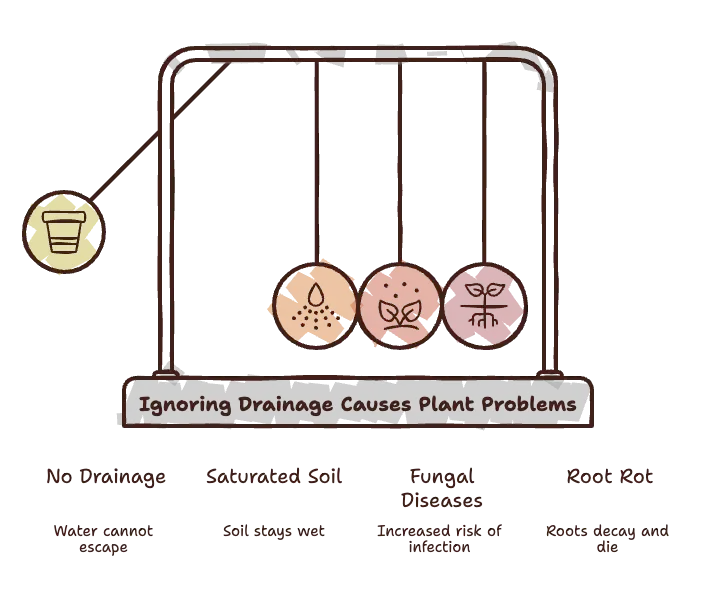
Even the perfect watering routine can't compensate for a pot without drainage holes.
When excess water has nowhere to escape, the soil stays saturated, increasing the likelihood of fungal diseases and root rot.
Instead:
- Use pots with drainage holes.
- Choose a well-draining potting mix.
- Never allow the pot to sit in standing water for extended periods.
Healthy roots begin with good drainage.
Overfertilizing
Many new plant owners believe more fertilizer equals faster growth. Unfortunately, excessive feeding often leads to fertilizer burn, damaged roots, and poor overall plant health.
Instead:
Feed your pothos only during the active growing season and use a balanced fertilizer at half strength every four to six weeks.
Moderation almost always produces better results than excessive fertilizing.
Never Pruning the Plant
It's easy to let pothos vines grow freely, but neglecting pruning can eventually result in long, sparse stems with fewer leaves.
Regular trimming encourages branching and creates a fuller, more attractive plant.
Instead:
Prune long vines above a leaf node several times during the growing season and use the cuttings to propagate new plants.
Waiting Too Long to Repot
Although pothos enjoys being slightly root-bound, leaving it in the same container for too many years can slow growth and reduce its overall health.
Roots eventually become overcrowded, making it harder for the plant to absorb water and nutrients effectively.
Instead:
Inspect the roots every year or two and repot when they begin growing through drainage holes or tightly circling the inside of the pot.
Forgetting to Clean the Leaves
Dust naturally collects on houseplant leaves over time, reducing the amount of light they can absorb and dulling their appearance.
Instead:
Gently wipe the leaves every few weeks with a soft, damp cloth. Clean leaves not only look more vibrant but also photosynthesize more efficiently.
Ignoring Early Warning Signs
Pothos rarely develops serious problems overnight. Yellow leaves, drooping vines, brown tips, or slow growth are usually early signals that something in the care routine needs adjusting.
Ignoring these symptoms can allow minor issues to become much more difficult to correct.
Instead:
Take a few moments each week to inspect your plant. Early intervention is often all that's needed to keep your pothos healthy.
Expecting Instant Growth
While pothos is considered a fast-growing houseplant, it still needs time to establish itself. New owners sometimes become discouraged if they don't see dramatic changes after only a few weeks.
Growth depends on several factors, including light, temperature, watering, humidity, and the time of year.
Instead:
Be patient and focus on providing consistent care. Healthy pothos rewards patience with steady, long-lasting growth.
Success Comes from Consistency
The beauty of pothos lies in its resilience. It doesn't demand perfection, it simply responds well to consistent, thoughtful care. By avoiding these common beginner mistakes and paying attention to your plant's needs, you'll enjoy fuller vines, healthier leaves, and a thriving indoor plant that continues to grow more beautiful with each passing season.
Remember, every experienced plant owner was once a beginner. With each new leaf your pothos produces, you'll gain confidence and become a better indoor gardener.
Frequently Asked Questions
How Fast Does Pothos Grow?
Pothos is considered one of the fastest-growing houseplants when given the right conditions. During the active growing season in spring and summer, healthy vines can grow several inches each month. Factors such as bright, indirect light, consistent watering, warm temperatures, and occasional fertilizing all contribute to faster growth. In fall and winter, growth naturally slows as daylight hours decrease.
Can Pothos Live in Low Light?
Yes. One of the reasons pothos is so popular is its ability to tolerate low-light environments. It can survive in offices, hallways, bedrooms, and other spaces with limited natural light. However, while it will survive, it won't necessarily thrive. Plants grown in brighter, indirect light usually produce larger leaves, fuller vines, faster growth, and more vibrant variegation.
Should I Mist My Pothos?
Misting isn't necessary for healthy pothos growth. While a light mist won't harm the plant, it only increases humidity for a very short time. If your home has very dry air, especially during winter, using a humidifier, grouping houseplants together, or placing your pothos in a naturally humid room such as a bathroom can provide more lasting benefits.
Why Are My Pothos Leaves Turning Yellow?
Yellow leaves are most commonly caused by overwatering, but they can also result from poor drainage, insufficient light, root rot, nutrient deficiencies, or natural aging. If only one or two older leaves are turning yellow occasionally, there's usually no cause for concern. However, multiple yellowing leaves should prompt you to check the soil moisture and review your care routine.
Can Pothos Grow Only in Water?
Yes. Pothos can grow in water for extended periods as long as its basic needs are met. The water should be changed regularly to prevent bacteria and algae from developing, and a small amount of liquid houseplant fertilizer should be added occasionally to replace nutrients that soil would normally provide. Many people successfully grow pothos in glass jars and decorative vases as a simple, low-maintenance display.
How Long Can Pothos Vines Get?
Indoors, pothos vines commonly grow between 6 and 10 feet (1.8 to 3 meters) long, although they can become even longer under excellent conditions. In tropical outdoor environments, pothos can climb trees and produce vines that stretch for 40 feet (12 meters) or more. Regular pruning allows you to control the size and shape of your indoor plant while encouraging fuller growth.
How Often Should I Fertilize Pothos?
Most pothos plants only need fertilizer every four to six weeks during spring and summer when they're actively growing. A balanced liquid houseplant fertilizer diluted to half strength is usually sufficient. During fall and winter, fertilizing is generally unnecessary because growth naturally slows. Overfertilizing can damage the roots, so it's better to feed lightly than too often.
Why Are the Leaves on My Pothos Getting Smaller?
Smaller leaves are often a sign that your pothos isn't receiving enough light or nutrients. A root-bound plant can also produce smaller foliage because the roots have limited space to absorb water and nutrients. Moving the plant to brighter indirect light, fertilizing during the growing season, and repotting when necessary can help restore larger, healthier leaves.
Can I Grow Pothos Outdoors?
Yes, but only in warm climates where temperatures remain above 50°F (10°C) year-round. In tropical and subtropical regions, pothos can be grown outdoors in shaded or partially shaded areas. In cooler climates, it's best grown indoors or brought inside before temperatures begin to drop.
How Can I Make My Pothos Fuller?
The best way to create a fuller pothos is through regular pruning. Cutting vines just above a leaf node encourages new branching, making the plant bushier over time. You can also propagate the cuttings and plant them back into the same pot, creating multiple vines that produce a denser, more lush appearance.
Final Thoughts
Pothos has earned its reputation as one of the world's easiest and most rewarding houseplants. Whether you're a complete beginner or an experienced indoor gardener, understanding its basic care requirements will help you grow a healthy, vibrant plant that continues to thrive year after year.
By providing bright, indirect light, watering only when needed, using well-draining soil, pruning regularly, and responding to your plant's natural signals, you'll enjoy beautiful trailing vines that bring life and color to your home. With just a little consistency and care, your pothos can become a long-lasting centerpiece that grows more impressive with every passing season.
Conclusion
Pothos has earned its place as one of the world's most beloved houseplants for good reason. It's attractive, adaptable, fast-growing, and remarkably forgiving, making it an excellent choice for everyone from first-time plant owners to experienced indoor gardeners. With its cascading vines and vibrant foliage, a healthy pothos can instantly bring warmth, color, and life to almost any room.

The secret to successful pothos plant care isn't complicated. Give your plant bright, indirect light, water it only when the soil begins to dry, use a well-draining potting mix, and provide occasional pruning and feeding during the growing season. By paying attention to these simple fundamentals, you'll encourage strong roots, lush leaves, and steady growth throughout the year.
Don't be discouraged if your pothos doesn't look perfect every day. Every houseplant goes through periods of slower growth, loses an occasional leaf, or needs small adjustments to its care routine. The beauty of pothos is its resilience, it's a plant that readily forgives mistakes and rewards consistent care with vigorous new growth.
As your confidence grows, don't hesitate to experiment. Train your pothos up a moss pole, let it trail from a hanging basket, propagate cuttings to create new plants, or style it in different rooms throughout your home. Its versatility means there's always a new way to enjoy this timeless indoor vine.
With a little patience and regular care, your pothos can thrive for many years, becoming an even more beautiful part of your indoor garden with each new leaf it produces. Whether your goal is to create a lush indoor jungle or simply enjoy a low-maintenance houseplant, pothos is a reliable companion that will continue to reward your efforts season after season.

Leave a comment
Your email address will not be published. Required fields are marked *