

Snake plants have earned a reputation as one of the toughest, most beginner-friendly houseplants you can own, and for good reason. Whether you've never cared for a plant before or simply want something that thrives with very little attention, the snake plant is an excellent choice. Its striking upright leaves, modern appearance, and ability to tolerate occasional neglect have made it a favorite among homeowners, apartment dwellers, and office workers alike.
But while snake plants are famously low maintenance, "low maintenance" doesn't mean "no maintenance." Many first-time plant owners unknowingly overwater them, place them in poor lighting conditions, or choose the wrong type of soil, leading to yellowing leaves, root rot, and stunted growth. Fortunately, these mistakes are easy to avoid once you understand what your plant actually needs.

In this complete beginner's guide, you'll learn everything you need to know to help your snake plant flourish. We'll cover the best lighting conditions, proper watering techniques, soil recommendations, fertilizer schedules, repotting tips, propagation methods, and solutions to the most common problems that snake plant owners encounter.
You'll also discover how to recognize early warning signs of unhealthy growth, prevent common pests, care for your plant throughout the changing seasons, and keep it looking vibrant for years to come. Whether your snake plant sits in your living room, bedroom, office, or entryway, these practical care tips will help it stay healthy with minimal effort.
By the end of this guide, you'll have the confidence to care for your snake plant like a seasoned indoor gardener, and you'll understand why this resilient houseplant continues to be one of the most popular choices for homes around the world.
Why Snake Plants Are So Popular
Walk into almost any garden center, home décor store, or modern office, and chances are you'll spot a snake plant standing proudly in a corner. Its bold, architectural leaves instantly add character to a room, but its popularity goes far beyond aesthetics. Snake plants have become one of the world's most loved houseplants because they combine beauty with remarkable resilience.

One of the biggest reasons people choose snake plants is their forgiving nature. Unlike many indoor plants that demand constant attention, snake plants can tolerate occasional missed waterings, inconsistent care, and a wide range of indoor environments. This makes them perfect for beginners, busy professionals, frequent travelers, and anyone who wants greenery without the stress of intensive plant care.
Another major advantage is their adaptability. Snake plants grow well in bright, indirect light but can also survive in lower-light rooms where many other houseplants struggle. While growth may slow in darker conditions, the plant often remains healthy and attractive, making it an excellent option for bedrooms, hallways, offices, and apartments with limited natural sunlight.
Snake plants are also admired for their sleek, modern appearance. Their upright, sword-shaped leaves create clean lines that complement virtually every interior design style, from minimalist and Scandinavian spaces to rustic farmhouse homes and contemporary apartments. With dozens of varieties available, homeowners can choose from plants featuring golden edges, silvery-green foliage, dark emerald patterns, or even cylindrical leaves for a unique visual statement.
Another factor contributing to their popularity is their longevity. With proper care, a snake plant can live for decades, gradually producing new shoots and expanding into an impressive display. Many owners pass healthy plants down through generations, making them one of the longest-lasting houseplants you can grow.
Many people are also drawn to snake plants because of their reputation for improving indoor air quality. While no houseplant can replace proper ventilation or air filtration, snake plants have long been associated with removing certain airborne compounds under controlled laboratory conditions. Combined with their low-maintenance nature and striking appearance, this reputation has only increased their appeal among indoor gardening enthusiasts.
Perhaps the greatest reason for their lasting popularity is simple: snake plants reward patience. They don't demand constant pruning, daily watering, or complicated feeding schedules. Instead, they quietly thrive with occasional attention, making them one of the easiest ways to bring natural beauty into your home.
For anyone looking to start their indoor gardening journey, few plants offer a better balance of elegance, durability, and simplicity than the humble snake plant.
Understanding Snake Plants
Before you can provide the best care for your snake plant, it's helpful to understand where it comes from and how it naturally grows. Knowing its background explains why this hardy plant prefers certain conditions and why it's so much more forgiving than many other popular houseplants.
What Is a Snake Plant?
The snake plant, scientifically known as Dracaena trifasciata (formerly classified as Sansevieria trifasciata), is a perennial succulent native to the dry regions of West and Central Africa. In its natural habitat, it grows in rocky, well-drained soil where rainfall can be infrequent and intense sunlight is common. These origins explain why snake plants store water in their thick leaves and are highly tolerant of drought.
Over the years, the snake plant has earned several common names. You may hear it referred to as Mother-in-Law's Tongue because of its long, pointed leaves, or Bowstring Hemp due to the strong fibers once used for making rope. Regardless of the name, they're all referring to the same resilient plant that has become a favorite in homes worldwide.
Unlike many leafy houseplants, snake plants grow upright from underground rhizomes, producing stiff, sword-like leaves that emerge directly from the soil. Healthy plants slowly expand outward by producing pups, or baby plants, which can eventually be divided and grown separately.
One of the reasons snake plants are so adaptable is their ability to tolerate a wide range of indoor conditions. Their thick, waxy leaves reduce water loss, allowing them to survive extended periods without watering. This natural drought resistance is one of the key reasons they are considered nearly indestructible when cared for properly.
Popular Snake Plant Varieties
Although many people think of snake plants as having green leaves with yellow edges, there are actually dozens of beautiful varieties available. Each offers its own unique appearance while sharing the same easy-care characteristics.
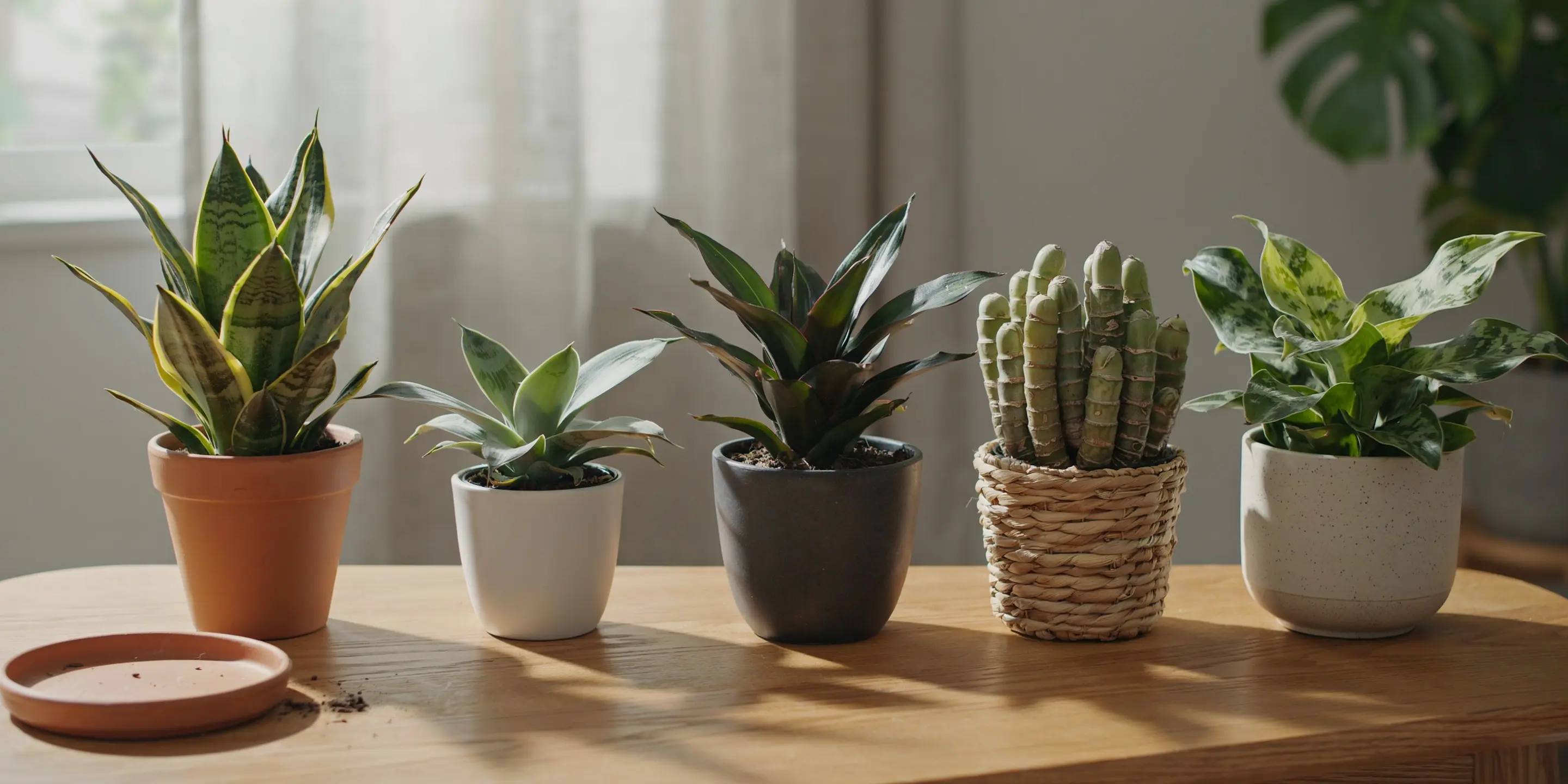
Laurentii
Perhaps the most recognizable variety, Laurentii features tall, upright green leaves bordered with bright golden-yellow edges. Its striking contrast makes it one of the most popular choices for homes and offices.
Moonshine
Moonshine stands out thanks to its broad, silvery-green leaves that give the plant a soft, elegant appearance. It prefers brighter indirect light than some other varieties to maintain its distinctive pale coloring.
Black Coral
Black Coral offers dramatic dark green foliage covered in rich horizontal striping. Its deeper colors make it a favorite for modern interiors and minimalist décor.
Cylindrical Snake Plant
Instead of flat leaves, this variety develops long, round, spear-like foliage that grows vertically. Many are braided by growers, creating a sculptural living centerpiece.
Whale Fin Snake Plant
Known for producing one enormous paddle-shaped leaf, the Whale Fin variety is highly sought after by collectors. Its oversized foliage creates a bold statement despite the plant's relatively compact size.
While these varieties differ in color, shape, and size, they all share the same basic care requirements. Once you understand the fundamentals of snake plant care, you'll be able to successfully grow almost any variety you choose.
Choosing the Right Location
One of the easiest ways to keep a snake plant healthy is to place it in the right location from the very beginning. While these plants are famous for tolerating less-than-perfect conditions, giving them the proper amount of light can dramatically improve their growth, color, and overall appearance.

The good news is that snake plants are incredibly adaptable. They can survive in spaces where many other houseplants would struggle, but they'll truly thrive when their lighting needs are met.
How Much Light Do Snake Plants Need?
Snake plants perform best in bright, indirect light. A room with plenty of natural daylight, such as one with east- or north-facing windows, is often ideal. Bright indirect light encourages faster growth, stronger leaves, and more vibrant patterns while reducing the risk of weak or stretched foliage.
That said, one of the reasons snake plants have become so popular is their ability to tolerate lower-light conditions. They can continue growing in offices, hallways, bedrooms, and apartments with limited sunlight. Growth will usually slow down, and the plant may produce fewer new leaves, but it can still remain healthy for many years.
If you place your snake plant near a south- or west-facing window, it's best to keep it a few feet back or filter the sunlight with a sheer curtain. Intense afternoon sun shining directly on the leaves for several hours can scorch the foliage, leaving permanent brown or bleached patches.
Morning sunlight, however, is generally much gentler and can actually benefit the plant. A few hours of soft morning sun often encourage healthy growth without causing damage.
Some of the best locations inside a home include:

- Living rooms with bright, filtered light
- Home offices near a window
- Bedrooms with indirect natural light
- Entryways that receive consistent daylight
- Kitchens with moderate sunlight
Snake plants also adapt well to artificial lighting, making them excellent choices for offices or rooms where natural light is limited. If your home doesn't receive much sunlight, placing the plant under a quality LED grow light for several hours each day can help maintain healthy growth.
Signs Your Plant Isn't Getting Enough Light
Although snake plants tolerate shade better than many houseplants, they will let you know when they're craving more light. Common signs include:
- Very slow or no new growth
- Leaves becoming thinner or weaker
- Faded leaf patterns
- Leaning toward the nearest light source
- Smaller leaves than usual
If you notice these symptoms, simply moving the plant closer to a brighter window can often make a noticeable difference within a few weeks.
Signs It's Getting Too Much Sun
Too much direct sunlight can be just as problematic. Watch for these warning signs:
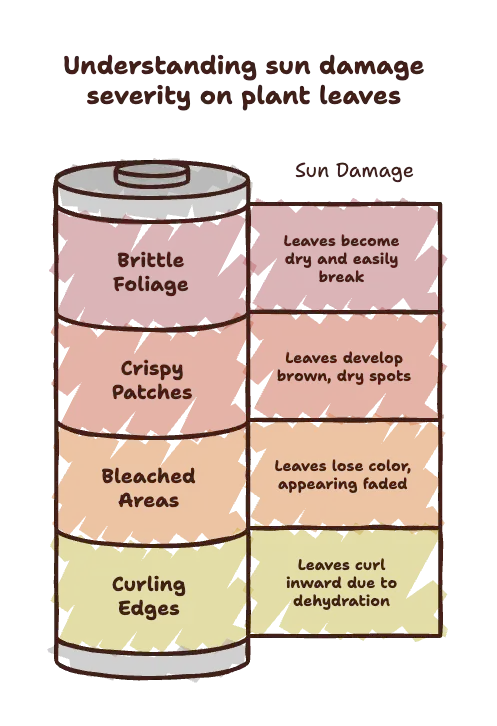
- Brown, crispy patches on the leaves
- Bleached or faded areas
- Curling leaf edges
- Dry, brittle foliage despite proper watering
If this happens, relocate your snake plant to a spot with bright but indirect light. Damaged leaves won't recover, but new growth should emerge healthy once the lighting conditions improve.
Finding the right balance is surprisingly simple: give your snake plant plenty of light without exposing it to harsh, prolonged afternoon sun. Once you get the location right, many other aspects of care become much easier, allowing your plant to thrive with minimal effort.
Watering Your Snake Plant Correctly
If there's one aspect of snake plant care that causes the most problems, it's watering. Ironically, many people kill their snake plants by giving them too much attention rather than too little. Because these plants are succulents, they store water inside their thick leaves and can go weeks without needing a drink. Understanding when, and when not, to water is the key to keeping your plant healthy for years.

The Biggest Mistake Most Beginners Make
The number one mistake new plant owners make is overwatering.
Unlike tropical houseplants that enjoy consistently moist soil, snake plants prefer their soil to dry out almost completely before being watered again. Constantly wet soil deprives the roots of oxygen, creating the perfect environment for fungal diseases and root rot. Once root rot becomes severe, recovery can be difficult.
Many beginners assume yellow leaves mean the plant is thirsty, when in reality, yellowing is often one of the first signs of too much water.
When in doubt, it's almost always safer to wait a few extra days before watering.
How Often Should You Water?
There isn't a universal watering schedule because several factors affect how quickly the soil dries, including light levels, temperature, humidity, pot size, and the type of pot you're using.
As a general guideline:
Spring and Summer
During the active growing season, most snake plants need watering about every two to four weeks. Plants receiving bright light will usually dry out faster than those kept in darker rooms.
Fall and Winter
Growth slows significantly during the cooler months, meaning the plant uses much less water. In winter, many snake plants only need watering every four to six weeks, and sometimes even less if kept in a cool environment.
Rather than following a strict calendar, always let the soil determine when it's time to water.
The Finger Test
One of the easiest ways to avoid overwatering is the simple finger test.
Insert your finger two to three inches into the soil. If it feels dry throughout that depth, it's time to water. If you still feel moisture, wait several more days before checking again.
You can also use a wooden chopstick or a moisture meter if you prefer a more precise method.
How to Water Properly
When it's time to water:
- Water slowly until excess water begins draining from the bottom of the pot.
- Allow all excess water to drain completely.
- Empty decorative cachepots or saucers so the roots never sit in standing water.
- Avoid watering small amounts frequently. A deep watering followed by a thorough drying period is much healthier than constant light watering.
This watering pattern closely mimics the plant's natural environment, where periods of drought are followed by occasional heavy rainfall.
Warning Signs of Overwatering

Catching overwatering early can save your plant. Watch for these symptoms:
- Yellowing leaves, especially near the base
- Mushy or soft leaves
- Blackened stems
- A foul smell coming from the soil
- Soil that stays wet for many days
- Leaves falling over unexpectedly
- Root rot when removed from the pot
If you notice several of these signs, stop watering immediately and inspect the roots if necessary.
Signs Your Plant Needs More Water
Although underwatering is far less common, it can still happen. Signs include:
- Wrinkled or puckered leaves
- Leaves curling inward
- Brown, dry tips
- Soil pulling away from the sides of the pot
- Slow growth over extended periods
Fortunately, underwatered snake plants usually recover quickly after a thorough watering.
The secret to successful watering is simple: let the soil dry completely, water deeply, then leave your snake plant alone until it genuinely needs another drink. Resist the temptation to water on a schedule, and your plant will reward you with stronger roots, healthier leaves, and steady, long-term growth.
Choosing the Best Soil
The right soil is one of the most important factors in growing a healthy snake plant. Even if you provide the perfect amount of light and water, poor soil can trap excess moisture around the roots, eventually leading to root rot and other health problems. Fortunately, choosing the right growing medium is simple once you understand what snake plants need.
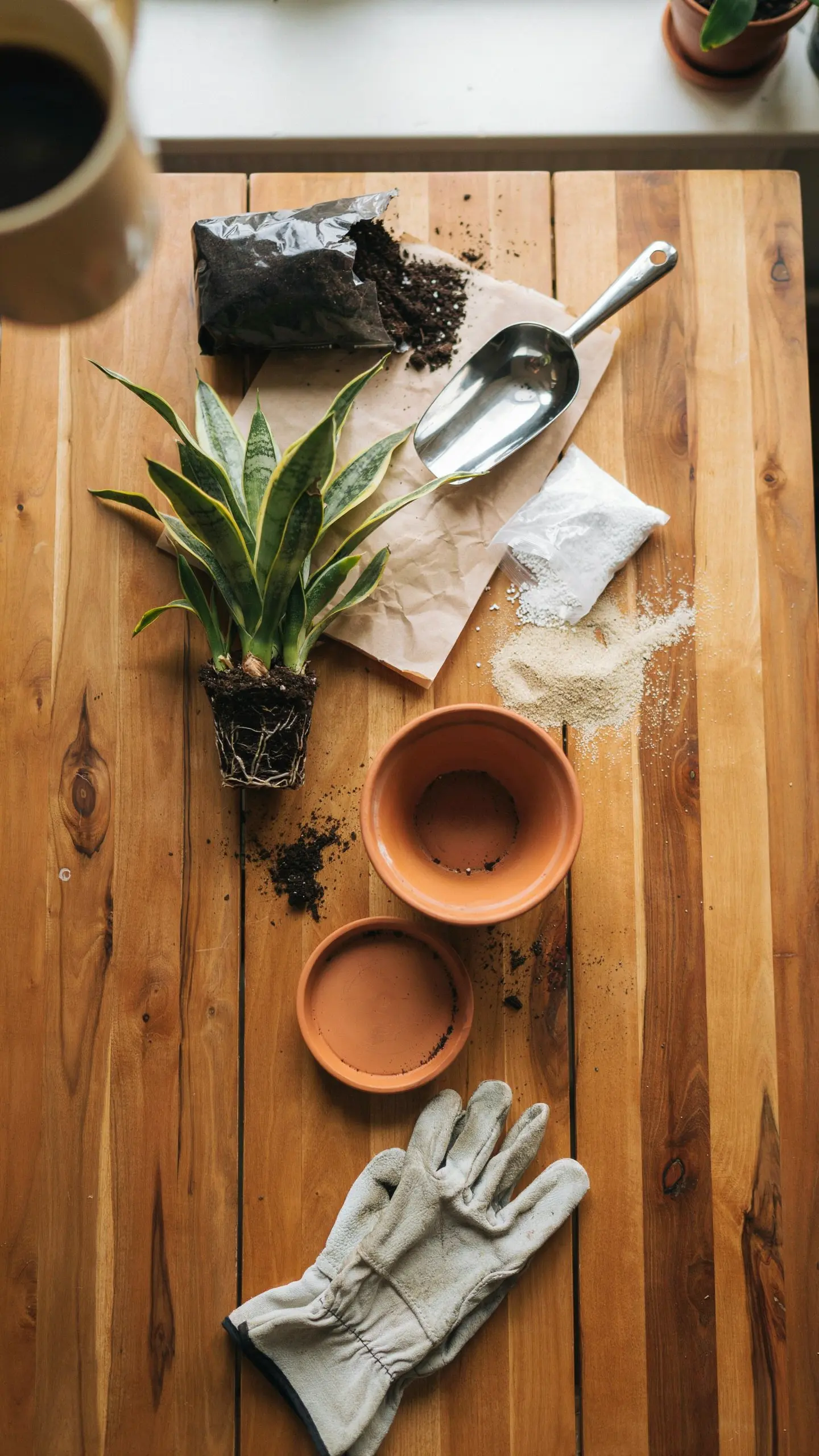
Because snake plants are succulents, they naturally grow in dry, sandy environments where water drains quickly after rainfall. Their roots are designed to absorb moisture efficiently and then dry out before the next watering. Recreating these conditions indoors gives your plant the best chance to thrive.
Why Well-Draining Soil Matters
Well-draining soil allows excess water to move freely through the pot instead of remaining around the roots. This improves air circulation underground and helps prevent fungal diseases that develop in constantly damp conditions.
Heavy, compacted soil tends to retain water for too long, especially inside containers without adequate drainage. When roots remain wet for extended periods, they begin to suffocate and decay. Healthy roots, on the other hand, require both moisture and oxygen to function properly.
Using the correct soil mixture also makes watering much easier. The soil dries at a predictable rate, allowing you to follow the natural soak-and-dry cycle that snake plants prefer.
Best Potting Mix for Snake Plants
The ideal soil should be loose, airy, and capable of draining quickly while still holding enough moisture to support healthy root growth.
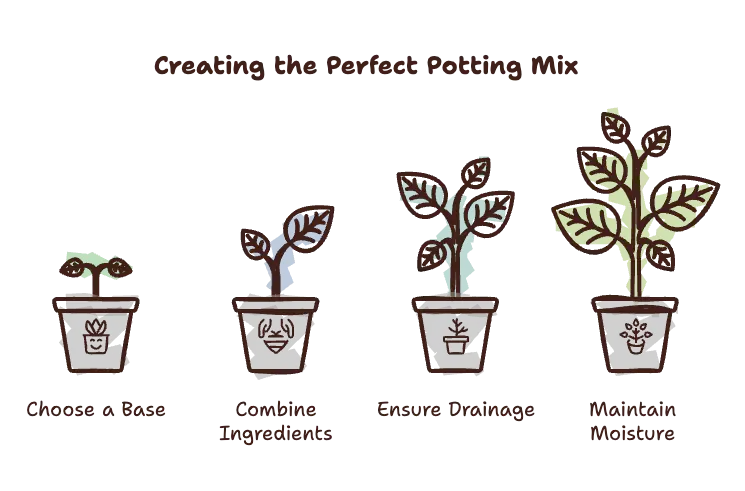
A cactus or succulent potting mix is one of the easiest and most reliable options. These mixes are specifically formulated to provide excellent drainage and are widely available at garden centers and home improvement stores.
If you prefer making your own mix, a simple combination works extremely well:
- 2 parts high-quality potting soil
- 1 part coarse perlite
- 1 part coarse sand or pumice
This blend creates a lightweight growing medium that allows water to flow freely while giving the roots plenty of oxygen.
Some experienced growers also add orchid bark or fine gravel to improve drainage even further, particularly in humid climates where soil dries more slowly.
Can You Use Regular Potting Soil?
Yes, but only with modifications.
Standard indoor potting soil often holds far more moisture than snake plants need. If used on its own, it can stay wet for too long, especially during winter or in homes with lower temperatures.
If regular potting soil is your only option, improve its drainage by mixing in generous amounts of perlite, coarse sand, or pumice. This simple adjustment creates a much healthier environment for the roots and significantly reduces the risk of overwatering problems.
Signs Your Soil Needs Improvement
Your snake plant may be telling you the soil isn't suitable if you notice:
- Water sitting on the surface instead of soaking in
- Soil remaining damp for more than a week
- A musty or sour smell from the pot
- Yellowing leaves despite careful watering
- Slow or weak growth
- Mushy roots during repotting
If any of these issues occur, replacing the old soil with a fresh, well-draining mix is often the best solution.
Choosing the right soil may seem like a small detail, but it has a huge impact on your snake plant's long-term health. Pair a fast-draining potting mix with proper watering habits, and you'll create the ideal foundation for strong roots, vigorous growth, and a plant that can thrive for many years.
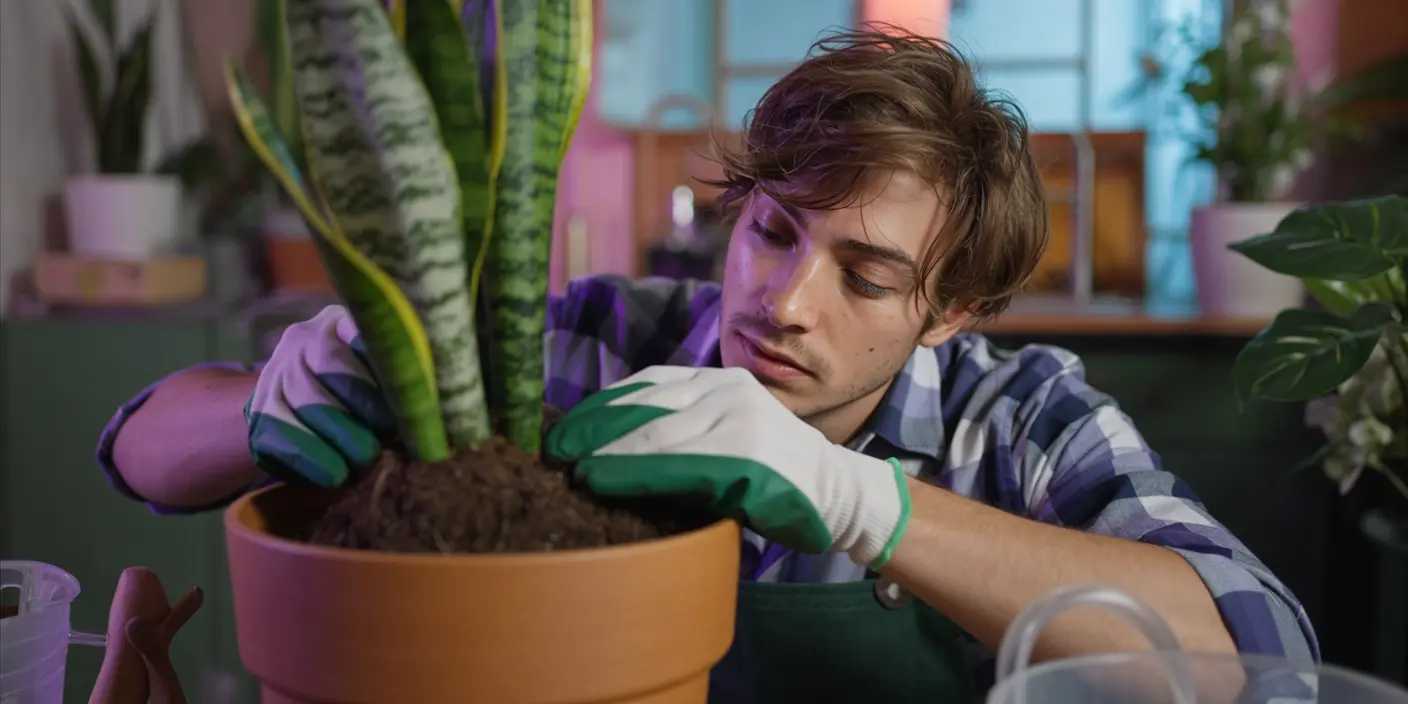
Selecting the Perfect Pot
The pot you choose can have just as much impact on your snake plant's health as the soil you use. While it's easy to focus on finding a container that matches your home décor, the right pot should first provide the growing conditions your plant needs. A well-chosen container helps regulate moisture, supports healthy root development, and reduces the chances of common problems like root rot.
Fortunately, snake plants aren't particularly picky, but a few simple guidelines can make a noticeable difference in their long-term growth.
Best Pot Materials
Different pot materials affect how quickly the soil dries, how heavy the container is, and how often you'll need to water. Understanding the advantages of each type can help you choose the best option for your home and lifestyle.
Terracotta Pots
Terracotta is often considered the best choice for snake plants. Its porous clay walls allow moisture to evaporate through the sides of the pot, helping the soil dry more quickly after watering. This extra airflow reduces the risk of overwatering and root rot, making terracotta especially useful for beginners.
The added weight of terracotta also provides excellent stability for larger snake plants, preventing tall specimens from tipping over.
Ceramic Pots
Ceramic pots offer a balance between style and functionality. Glazed ceramic containers retain moisture longer than terracotta, making them suitable for homes with very dry indoor air. They're available in countless colors, patterns, and finishes, making it easy to match your interior design.
If you choose a ceramic pot, always make sure it has a drainage hole at the bottom.
Plastic Pots
Plastic pots are lightweight, affordable, and widely available. They hold moisture longer than clay pots, which means you'll need to be more careful not to overwater. However, they're an excellent option for people who frequently move their plants or want a budget-friendly solution.
Many nursery-grown snake plants are sold in plastic containers because they're durable and easy to transport.
Why Drainage Holes Are Essential
No feature is more important than a drainage hole.
A pot without drainage allows excess water to collect at the bottom, creating soggy conditions that can quickly damage the roots. Even if you're careful with watering, trapped moisture has nowhere to escape, significantly increasing the likelihood of root rot.
If you've fallen in love with a decorative pot that doesn't have drainage, consider placing a smaller nursery pot with drainage holes inside it. This allows you to remove the plant for watering, let excess water drain completely, and then return it to the decorative container.
Choosing the Right Pot Size
Many people assume a larger pot will encourage faster growth, but that's rarely the case with snake plants.
Because these plants prefer slightly snug conditions, selecting an oversized pot often causes the soil to stay wet for too long. Instead, choose a container that's only about one to two inches wider than the current root ball.
A properly sized pot allows the roots to establish themselves while ensuring the soil dries at an appropriate rate between waterings.
When It's Time for a Larger Pot

Your snake plant may be ready for a new container if you notice:
- Roots growing out of the drainage holes
- The pot becoming crowded with new pups
- Water draining almost immediately because roots fill the container
- The plant becoming top-heavy and unstable
- Cracks forming in plastic pots due to root pressure
When upgrading, avoid jumping several pot sizes. Moving up gradually helps the plant adjust more easily and reduces the risk of waterlogged soil.
Choosing the right pot isn't just about appearance, it's about creating an environment where your snake plant can develop a healthy root system. Pair a well-sized container with excellent drainage and quality soil, and you'll have the perfect foundation for years of healthy, low-maintenance growth.
Temperature and Humidity Requirements
One of the reasons snake plants are so easy to care for is their ability to adapt to the average conditions found in most homes. Unlike tropical plants that demand high humidity or consistently warm temperatures, snake plants are remarkably flexible. However, providing the right environment will help them grow faster, develop stronger leaves, and stay healthy throughout the year.
Understanding how temperature and humidity affect your plant can help you avoid unnecessary stress and prevent problems before they start.
Ideal Growing Conditions
Snake plants thrive in temperatures between 60°F and 85°F (16°C to 29°C). This range closely matches the conditions found in most homes, making them excellent indoor plants year-round.
Warm, stable temperatures encourage steady growth, especially during spring and summer when the plant is actively producing new leaves. While snake plants can tolerate short periods outside this range, prolonged exposure to extreme heat or cold can damage the foliage and slow development.
If you enjoy moving houseplants outdoors during warmer months, wait until nighttime temperatures consistently remain above 55°F (13°C) before placing your snake plant outside.
Humidity Preferences
Unlike many tropical houseplants, snake plants don't require high humidity. In fact, they often perform best in the average humidity levels found inside most homes, typically between 30% and 50%.
Because they evolved in dry environments, snake plants are comfortable in air-conditioned homes, heated rooms, and offices where humidity is relatively low. This makes them an ideal choice for people who don't want to constantly monitor humidity levels or invest in humidifiers.
Misting is generally unnecessary and may even increase the risk of fungal problems if moisture remains on the leaves for extended periods.
Protecting Your Plant from Temperature Extremes
Although snake plants are resilient, sudden temperature changes can still cause stress.
Keep your plant away from:
- Cold drafts near frequently opened doors
- Air conditioning vents that blow directly onto the leaves
- Heating vents that create excessively hot, dry air
- Single-pane windows during freezing weather
- Fireplaces or radiators that produce intense heat
Rapid fluctuations in temperature are often more harmful than slightly cool or warm conditions. A stable indoor environment helps your plant remain healthy throughout the year.
Seasonal Care Adjustments
As the seasons change, your snake plant's needs change as well.
Spring
As temperatures begin to rise, the plant enters its active growing season. You may notice new leaves emerging, making this a good time to gradually increase watering and begin light fertilization.
Summer
Warm temperatures and longer days encourage the fastest growth of the year. Continue watering only when the soil has completely dried, and protect the plant from harsh afternoon sunlight if it's near a bright window.
Fall
Growth naturally begins to slow as daylight hours decrease. Reduce watering frequency and stop fertilizing toward the end of the season as the plant prepares for winter dormancy.
Winter
Snake plants enter a resting period during winter. They require much less water, little to no fertilizer, and should be protected from cold drafts and freezing temperatures. This is also the season when overwatering is most likely to occur, so always check the soil carefully before watering.
By maintaining comfortable indoor temperatures and allowing your snake plant to follow its natural seasonal rhythm, you'll create ideal conditions for healthy, long-lasting growth. Fortunately, most homes already provide everything this resilient houseplant needs to thrive with very little extra effort.
Fertilizing Snake Plants
One of the biggest advantages of growing snake plants is that they don't need frequent feeding to stay healthy. In fact, overfertilizing is far more common than underfertilizing. These slow-growing plants are naturally adapted to nutrient-poor soils, meaning a little fertilizer goes a long way.
While fertilizer isn't essential for survival, providing the right nutrients during the growing season can encourage stronger roots, healthier foliage, richer leaf color, and faster growth.
Do Snake Plants Need Fertilizer?
Yes, but only in moderation.
Snake plants benefit from occasional feeding during their active growing season, which typically runs from spring through early fall. During this period, the plant is producing new leaves and expanding its root system, making it better able to use additional nutrients.
Once temperatures cool and growth slows during fall and winter, fertilizing should be reduced or stopped altogether. Feeding a dormant plant often results in salt buildup in the soil rather than healthier growth.
Remember, healthy snake plants naturally grow slowly. Fertilizer won't dramatically speed up growth overnight, but it can help the plant maintain vigorous, vibrant foliage over time.
Best Fertilizer for Snake Plants
Several types of fertilizer work well for snake plants.

A balanced liquid houseplant fertilizer, such as a 10-10-10 or 20-20-20 formula, is one of the easiest options. Dilute it to half the strength recommended on the label to avoid overwhelming the roots.
Fertilizers designed specifically for cacti and succulents are another excellent choice, as they're formulated for plants with similar growing habits.
If you prefer organic gardening, you can also use:
- Compost tea
- Worm castings
- Fish emulsion
- Seaweed extract
Organic fertilizers release nutrients more gradually and are less likely to burn the roots when used properly.
How Often Should You Fertilize?
Snake plants don't require frequent feeding.
For most homes, fertilizing once every four to six weeks during spring and summer is more than enough. Plants growing in bright, indirect light tend to benefit the most because they're actively producing new growth.
If your snake plant is growing in low light, you may only need to fertilize once or twice during the entire growing season.
Always water the soil lightly before applying liquid fertilizer. Feeding dry roots can increase the risk of fertilizer burn.
Common Fertilizer Mistakes
Applying too much fertilizer can cause more harm than good. Watch out for these common mistakes:
- Fertilizing during winter dormancy
- Using full-strength fertilizer every time
- Feeding too frequently
- Applying fertilizer to completely dry soil
- Assuming fertilizer can fix lighting or watering problems
No amount of fertilizer can compensate for poor growing conditions. Healthy light, proper watering, and well-draining soil will always have a greater impact on your plant's success.
Signs of Overfertilization

If your snake plant receives too much fertilizer, you may notice:
- Brown or crispy leaf tips
- White crust forming on the surface of the soil
- Wilting despite adequate watering
- Yellowing leaves
- Stunted growth
- Root damage caused by salt buildup
If this happens, flush the soil thoroughly with clean water to remove excess fertilizer salts, then wait several weeks before feeding again.
A simple approach is often the best one. Feed your snake plant lightly during the growing season, skip fertilizer during winter, and focus on consistent care rather than trying to force rapid growth. With patience, your snake plant will reward you with strong, healthy foliage that can last for decades.
Pruning and Cleaning
Snake plants are naturally neat, upright growers that require very little pruning compared to many other houseplants. Unlike flowering plants or vines that need regular trimming to control their shape, snake plants mostly take care of themselves. However, occasional pruning and cleaning can improve their appearance, encourage healthier growth, and help prevent pests and diseases.
With just a few minutes of maintenance every couple of months, you can keep your snake plant looking fresh and vibrant year-round.
When Should You Trim Leaves?
The primary purpose of pruning a snake plant is to remove damaged, diseased, or aging leaves rather than encouraging new growth.
You should consider trimming leaves if they are:
- Yellowing or completely yellow
- Brown and dried out
- Torn or split
- Bent or permanently damaged
- Soft or mushy from overwatering
- Showing signs of disease or pest damage
Removing unhealthy leaves allows the plant to focus its energy on producing new, healthy growth instead of trying to maintain damaged tissue.
Always use a pair of clean, sharp pruning shears or scissors to make smooth cuts. Sterilize your tools with rubbing alcohol before and after pruning, especially if you're removing diseased leaves.
When trimming, cut the damaged leaf as close to the soil line as possible without disturbing nearby healthy growth. Avoid cutting halfway up a leaf unless absolutely necessary, as partial cuts often leave an unattractive appearance.
Should You Remove Healthy Leaves?
In most cases, no.
Healthy leaves continue producing energy for the plant through photosynthesis, so removing them unnecessarily can slow growth. It's best to prune only when a leaf is damaged, overcrowded, or affecting the plant's overall appearance.
If your snake plant has become extremely crowded with new pups, it's usually better to divide the plant during repotting rather than removing healthy leaves.
Cleaning Dust Off the Leaves
One simple maintenance task that many people overlook is cleaning the leaves.
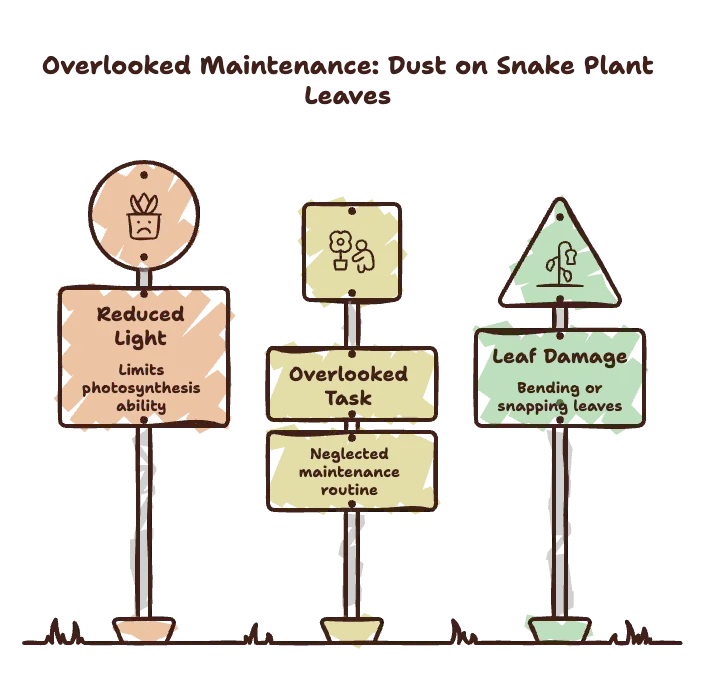
Over time, dust naturally settles on the broad surfaces of snake plant leaves. While a light layer of dust may seem harmless, it can reduce the amount of light reaching the plant and slightly limit its ability to photosynthesize.
Cleaning the leaves every few weeks keeps your plant looking its best while allowing it to absorb light more efficiently.
To clean your snake plant:
- Dampen a soft microfiber cloth with lukewarm water.
- Gently wipe both sides of each leaf.
- Support the leaf with your hand to avoid bending or snapping it.
- Allow the leaves to air dry naturally.
Avoid using commercial leaf shine products. While they may create a glossy appearance, they can clog the leaf surface and interfere with the plant's natural processes.
Removing Dead Growth Around the Base
Occasionally, you'll notice dried leaf sheaths or dead plant material collecting around the base of your snake plant. Carefully remove these by hand to improve airflow and reduce places where pests or mold could develop.
While cleaning, inspect the plant for signs of insects such as mealybugs or spider mites, as early detection makes treatment much easier.
A Little Maintenance Goes a Long Way
One of the reasons snake plants are such popular houseplants is that they rarely demand constant attention. A quick inspection every few weeks, occasional dusting, and the removal of damaged leaves are usually all that's needed to keep your plant healthy and attractive.
Rather than frequent pruning, focus on maintaining clean foliage and removing only what the plant no longer needs. This simple routine helps your snake plant continue producing strong, upright leaves while preserving its naturally elegant shape.
Repotting Your Snake Plant
One of the many reasons snake plants are considered low-maintenance is that they don't need frequent repotting. Unlike fast-growing houseplants that quickly outgrow their containers, snake plants are slow growers that actually prefer being slightly root-bound. In many cases, they can remain in the same pot for several years before needing more space.
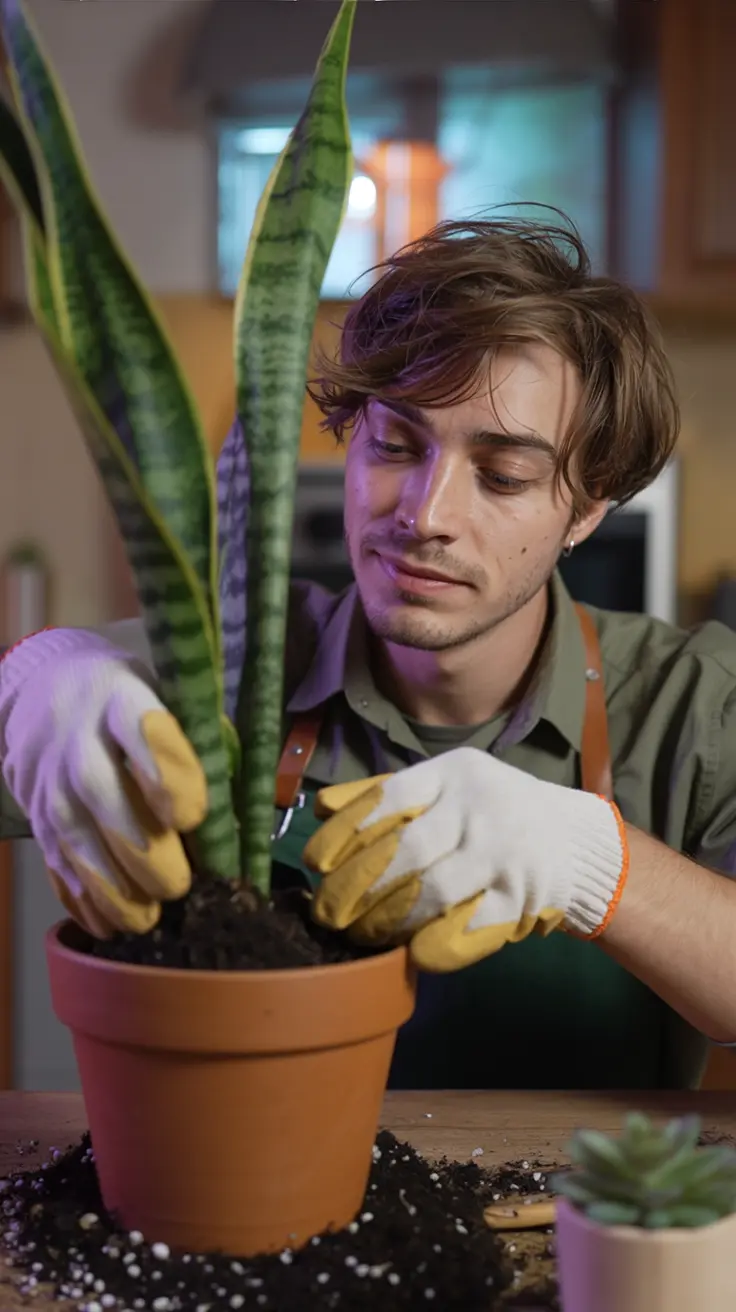
Knowing when, and how, to repot your snake plant will keep the roots healthy while minimizing stress on the plant.
When It's Time to Repot
Most snake plants only need repotting every two to five years, depending on their growth rate and growing conditions.
Instead of following a schedule, look for signs that your plant has genuinely outgrown its container.
Common indicators include:
- Roots growing through the drainage holes
- Roots circling tightly around the inside of the pot
- The plant becoming top-heavy and tipping over
- New pups filling the container with little room to grow
- Water draining through the pot almost immediately because the roots occupy most of the space
- Cracked plastic pots caused by expanding roots
- Slowed growth despite proper care
If your snake plant still appears healthy and has room to grow, there's usually no need to repot it.
The Best Time to Repot
The ideal time to repot is during spring or early summer, when the plant is entering its active growing season.
Repotting during this period allows the roots to establish themselves quickly before growth slows in the cooler months. While emergency repotting can be done at any time, for example, if root rot is present, routine repotting is best saved for the growing season.
Step-by-Step Repotting Process
Repotting a snake plant is straightforward if you take your time.

Step 1: Choose the Right Pot
Select a new container that's only one to two inches larger in diameter than the current pot. A pot that's too large holds excess soil, which retains more moisture than the roots can use.
Always choose a container with drainage holes.
Step 2: Prepare Fresh Soil
Fill the bottom of the new pot with a layer of fresh, well-draining cactus or succulent potting mix. This provides a healthy foundation for the roots.
Step 3: Remove the Plant
Gently squeeze the sides of the nursery pot or tap around the container to loosen the root ball. Carefully lift the plant out while supporting the base of the leaves.
If the roots are tightly packed, gently loosen them with your fingers to encourage outward growth.
Step 4: Inspect the Roots
Healthy roots are usually firm and light-colored.
Trim away any roots that appear black, mushy, or have a foul smell, as these are signs of root rot. Always use sterilized pruning shears when removing damaged roots.
Step 5: Position the Plant
Place the snake plant in the new pot so it sits at the same depth as before. Avoid planting it deeper than it was originally growing.
Fill around the roots with fresh soil, gently pressing it into place without packing it too tightly.
Step 6: Wait Before Watering
Many experienced growers recommend waiting one to three days before watering after repotting. This allows any small root injuries to begin healing and reduces the chance of fungal infection.
Aftercare Following Repotting
After repotting, place your snake plant in bright, indirect light and avoid fertilizing it for about four to six weeks. The fresh potting mix already contains nutrients, and giving the roots time to settle helps reduce transplant shock.
It's normal for the plant to pause growth briefly while it adjusts to its new environment. As long as the leaves remain firm and upright, your snake plant is adapting successfully.
Continue watering only when the soil has completely dried, just as you would with an established plant.
Should You Divide Your Snake Plant While Repotting?
Repotting is also the perfect opportunity to divide large snake plants that have produced multiple pups.
If you notice separate clusters of leaves connected by underground rhizomes, you can carefully separate them into individual plants using a clean knife or pruning shears. Each division should have healthy roots attached to give it the best chance of establishing quickly.
Not only does division create new plants for your home, but it's also an easy way to share snake plants with friends and family.
Repotting may only be necessary every few years, but when the time comes, doing it correctly gives your snake plant the space and fresh growing conditions it needs to continue thriving for decades.
How to Propagate Snake Plants
One of the most rewarding parts of growing snake plants is how easy they are to propagate. Instead of buying new plants, you can create several healthy snake plants from one mature specimen with just a little patience. Propagation is an excellent way to expand your indoor garden, fill empty pots around your home, or share plants with friends and family.
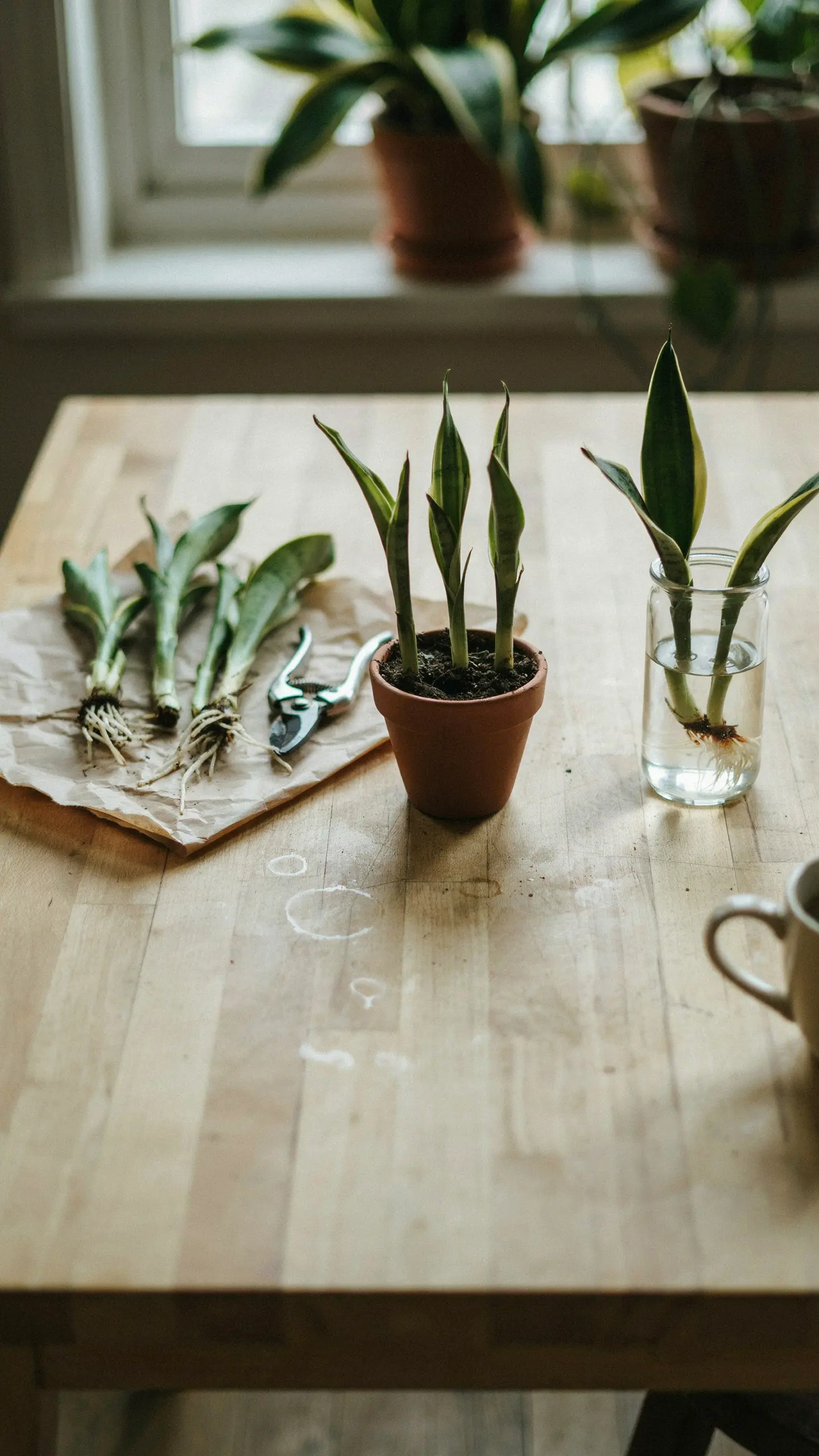
Snake plants can be propagated in three main ways: by division, by leaf cuttings in soil, and by rooting leaf cuttings in water. Each method has its own advantages, but all are beginner-friendly when done correctly.
Propagation by Division
Division is the fastest and most reliable method of propagating snake plants because each new plant already has its own established root system.
This method works best for mature plants that have produced several pups, or offshoots, growing around the base.
How to Divide a Snake Plant
- Carefully remove the plant from its pot.
- Shake or brush away excess soil so the roots and rhizomes are visible.
- Locate natural divisions where groups of leaves are connected by thick underground rhizomes.
- Use a clean, sterilized knife or pruning shears to separate each section.
- Ensure every division has healthy roots attached.
- Plant each new section into its own pot filled with fresh, well-draining soil.
- Wait one to two days before watering to allow any cut surfaces to heal.
Because the new divisions already have roots, they usually establish quickly and continue growing with very little setback.
Propagation by Leaf Cuttings in Soil
Leaf cuttings are another simple method, although they require more patience than division.

How to Propagate Using Soil
- Select a healthy, mature leaf.
- Cut it near the base using sterilized scissors or a sharp knife.
- Divide the leaf into sections about three to four inches long.
- Mark which end was originally closest to the roots, orientation matters.
- Allow the cut pieces to dry for one to two days so the ends callus over.
- Insert the bottom end of each cutting about an inch into moist succulent soil.
- Place the pot in bright, indirect light.
- Water lightly only after the soil becomes dry.
Over the following weeks or months, new roots and eventually tiny pups will begin forming beneath the soil.
Patience is essential, as this process is naturally slow.
Propagation in Water
Water propagation allows you to watch new roots develop, making it a favorite method for many indoor gardeners.
How to Propagate in Water
- Cut a healthy leaf near its base.
- Allow the cut end to dry for a day or two.
- Place the bottom portion of the leaf into a clean glass of water.
- Keep only the lower inch submerged.
- Place the container in bright, indirect light.
- Replace the water every week to keep it fresh.
- Once healthy roots are several inches long, transfer the cutting into well-draining soil.
Although water propagation is visually satisfying, plants often take a little time to adjust after being transferred into soil.
Which Method Works Best?
Each propagation method has its strengths.
Division is the fastest and produces mature plants almost immediately. It's the best option when your snake plant has become crowded or needs repotting.
Leaf cuttings in soil are simple and require very little equipment. While slower, they're an excellent way to produce multiple new plants from a single leaf.
Water propagation is ideal for beginners who enjoy watching roots develop, though it requires a bit more maintenance because the water must be changed regularly.
No matter which method you choose, avoid placing newly propagated plants in direct sunlight or overwatering them. Young roots are especially sensitive to excess moisture.
With a little patience, one healthy snake plant can eventually become an entire collection. Propagation is not only an economical way to grow more plants, but it's also one of the most enjoyable parts of indoor gardening, allowing you to watch new life emerge from a single leaf or division.
Common Snake Plant Problems and Solutions
Even though snake plants are among the toughest houseplants you can grow, they're not completely immune to problems. Fortunately, most issues are easy to diagnose and fix if you catch them early. In many cases, your snake plant's leaves will tell you exactly what's wrong, you simply need to know what to look for.
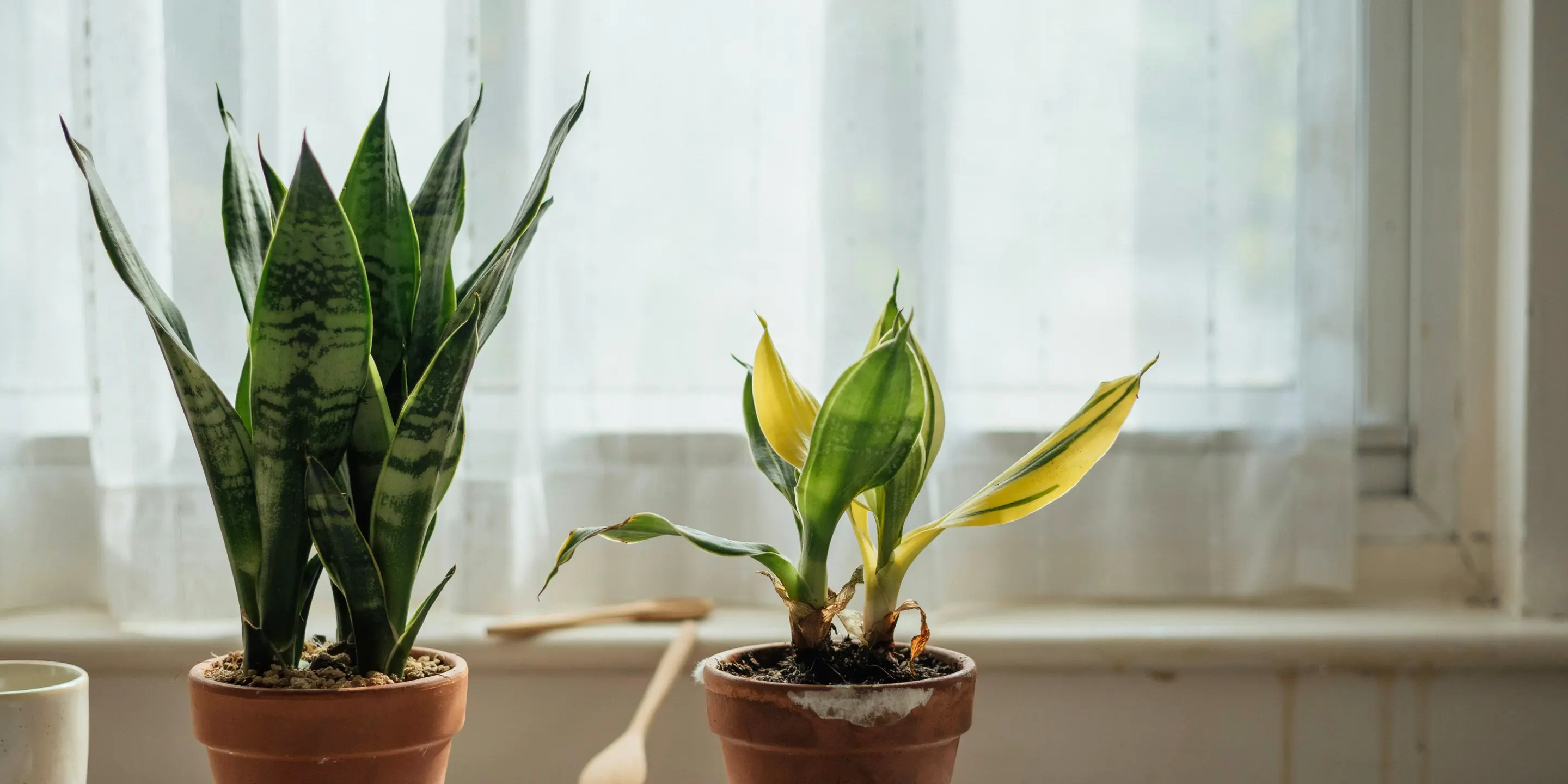
The good news is that most snake plant problems stem from just a few common mistakes, such as overwatering, poor lighting, or improper soil. Once these conditions are corrected, the plant often makes a full recovery.
Yellow Leaves
Yellow leaves are one of the most common concerns among snake plant owners.

Possible Causes
- Overwatering
- Poor drainage
- Root rot
- Natural aging of older leaves
- Sudden environmental changes
How to Fix It
Check the soil before watering. If it feels wet several inches down, allow it to dry completely before watering again. If the roots are mushy or black, remove the affected roots, replace the old soil with a fresh well-draining mix, and repot the plant into a container with drainage holes.
If only one or two older leaves are yellowing while the rest of the plant looks healthy, it may simply be part of the natural aging process.
Mushy Roots
Soft, black, or foul-smelling roots are almost always a sign of root rot.
Possible Causes
- Chronic overwatering
- Soil that stays wet too long
- Pots without drainage holes
- Cold, damp growing conditions
How to Fix It
Remove the plant from its pot and trim away all damaged roots using sterilized pruning shears. Allow healthy roots to air dry for several hours before repotting in fresh succulent soil. Reduce watering frequency going forward and always allow the soil to dry completely between waterings.
Brown Leaf Tips
Brown tips are usually cosmetic but may indicate that something in the plant's environment needs adjusting.

Possible Causes
- Underwatering
- Excess fertilizer
- Very dry indoor air
- Physical damage
- Mineral buildup from tap water
How to Fix It
Review your watering routine and avoid allowing the plant to remain dry for excessively long periods. If fertilizer salts have accumulated, flush the soil with clean water and reduce future feedings. If desired, trim brown tips with clean scissors while following the natural shape of the leaf.
Wrinkled Leaves
Wrinkled or shriveled leaves often indicate that the plant has used up the water stored inside its foliage.
Possible Causes
- Underwatering
- Damaged roots unable to absorb water
- Extended drought
How to Fix It
Check the soil. If it's completely dry, water the plant thoroughly until water drains from the bottom of the pot. If the soil is already moist but the leaves remain wrinkled, inspect the roots for signs of rot, as damaged roots cannot effectively absorb water.
Slow Growth
Snake plants naturally grow slowly, but extremely slow or nonexistent growth may point to environmental issues.

Possible Causes
- Low light
- Cold temperatures
- Root-bound conditions
- Lack of nutrients during the growing season
How to Fix It
Move the plant to a brighter location with indirect sunlight, maintain comfortable indoor temperatures, and fertilize lightly during spring and summer if needed. If the roots have completely filled the pot, consider repotting into a slightly larger container.
Drooping Leaves
Healthy snake plant leaves should stand upright and firm.
Possible Causes
- Overwatering
- Root rot
- Physical injury
- Extremely low light
- Heavy leaves becoming unstable
How to Fix It
Identify the underlying cause before taking action. If overwatering is responsible, allow the soil to dry and inspect the roots if necessary. If the plant has simply become top-heavy, moving it into a slightly larger, heavier pot can provide better support.
Quick Troubleshooting Guide
Problem | Most Likely Cause | Solution |
Yellow leaves | Overwatering | Reduce watering and inspect roots |
Mushy roots | Root rot | Trim damaged roots and repot |
Brown leaf tips | Underwatering or fertilizer buildup | Adjust watering and flush soil |
Wrinkled leaves | Lack of water | Water deeply once soil is dry |
Slow growth | Low light or dormant season | Increase light and wait for active growth |
Drooping leaves | Root issues or poor support | Check roots and improve growing conditions |
Prevention Is Better Than Treatment
The easiest way to avoid most snake plant problems is to establish a consistent care routine. Water only when the soil is completely dry, provide bright indirect light whenever possible, use a well-draining potting mix, and avoid overfertilizing.
By paying attention to small changes in your plant's appearance, you'll often catch problems before they become serious. With proper care, snake plants are incredibly resilient and can recover from many setbacks, continuing to grow into beautiful, long-lasting houseplants for years to come.
Common Pests to Watch For
One of the many benefits of growing snake plants is that they rarely suffer from serious pest infestations. Their thick, leathery leaves are far less attractive to insects than the softer foliage of many tropical houseplants. However, no indoor plant is completely immune. If pests do appear, catching them early makes treatment much easier and helps prevent them from spreading to your other houseplants.
Regularly inspecting your snake plant while watering or cleaning its leaves is one of the simplest ways to keep it healthy.
Mealybugs
Mealybugs are among the most common pests found on snake plants. These tiny, white insects resemble small pieces of cotton and often hide where leaves meet the base of the plant or in other protected areas.

Signs of Mealybugs
- White, cotton-like clusters on leaves or stems
- Sticky residue known as honeydew
- Yellowing leaves
- Slower than normal growth
How to Get Rid of Them
For small infestations, dip a cotton swab in rubbing alcohol and gently wipe each insect away. For larger outbreaks, use insecticidal soap or neem oil according to the product instructions. Continue inspecting the plant weekly until no new pests appear.
Spider Mites
Spider mites are extremely small and often difficult to see without close inspection. They thrive in warm, dry indoor environments and can reproduce quickly if left untreated.
Signs of Spider Mites
- Tiny pale or yellow speckles on the leaves
- Fine webbing between leaves
- Dull or faded foliage
- Gradual leaf decline
How to Get Rid of Them
Wipe the leaves with a damp cloth to remove mites and their webs. Treat the plant with insecticidal soap or neem oil, ensuring both the tops and undersides of the leaves are thoroughly coated. Repeat treatment every several days until the infestation is under control.
Fungus Gnats
Unlike mealybugs and spider mites, fungus gnats are usually a symptom of overwatering rather than a direct threat to healthy snake plants.
The adult insects resemble tiny black flies and are commonly seen hovering around the soil surface.
Signs of Fungus Gnats

- Small black flying insects near the pot
- Constantly damp soil
- Larvae living in the upper layer of soil
- Persistent overwatering issues
How to Get Rid of Them
Allow the soil to dry completely between waterings, as fungus gnat larvae need consistently moist soil to survive. Sticky traps can help reduce adult populations, while replacing overly wet soil may eliminate severe infestations.
Correct watering habits usually solve the problem without additional treatment.
Natural Pest Control Methods
Many pest problems can be managed without harsh chemicals.
Some effective natural solutions include:
- Wiping leaves regularly with a damp cloth
- Isolating infested plants from healthy ones
- Applying neem oil as a preventative treatment
- Using insecticidal soap for active infestations
- Removing heavily damaged leaves
- Keeping leaves free from dust so pests are easier to spot
Maintaining healthy growing conditions also strengthens your snake plant's natural ability to resist pests.
Preventing Future Infestations
Prevention is always easier than treatment.
To reduce the risk of pests:
- Inspect new plants before bringing them indoors.
- Avoid overwatering, which encourages fungus gnats.
- Clean leaves every few weeks.
- Check hidden areas near the base of the plant during routine care.
- Quarantine newly purchased houseplants for a couple of weeks before placing them near your existing collection.
Healthy snake plants rarely experience serious pest problems. With regular inspections and proper care, most infestations can be prevented altogether, or eliminated before they have a chance to cause lasting damage. A few minutes of observation each month can help keep your plant thriving and your indoor garden pest-free.
Seasonal Snake Plant Care
Although snake plants are hardy year-round, their growth naturally changes with the seasons. Understanding these seasonal shifts allows you to adjust your care routine so your plant continues to thrive without unnecessary watering, fertilizing, or maintenance.
Rather than treating your snake plant the same way every month, small seasonal adjustments can make a significant difference in its long-term health.
Spring
Spring marks the beginning of the active growing season. As daylight hours increase and temperatures rise, your snake plant begins producing new roots and leaves after its slower winter period.
This is the perfect time to refresh your care routine.

Spring Care Tips
- Resume regular watering as the soil dries more quickly.
- Begin fertilizing every four to six weeks with a diluted balanced houseplant fertilizer.
- Repot root-bound plants before peak summer growth.
- Divide mature plants if you want to propagate new ones.
- Clean dust from the leaves to maximize light absorption.
- Rotate the pot every few weeks to encourage even growth.
Spring is also an excellent time to inspect your plant for any winter damage and remove old or damaged leaves.
Summer
Summer is usually the period of fastest growth for snake plants. Longer days and warmer temperatures encourage the production of new leaves, especially when the plant receives plenty of bright, indirect light.
While growth increases, it's still important to avoid overwatering.
Summer Care Tips
- Water only after the soil has completely dried.
- Protect the plant from intense afternoon sunlight that may scorch the leaves.
- Continue monthly fertilizing during active growth.
- Monitor for pests, as warmer weather can increase insect activity.
- Keep the plant in a well-ventilated room with stable temperatures.
If you move your snake plant outdoors during summer, choose a shaded patio or covered porch where it receives filtered sunlight rather than direct midday sun.
Fall
As temperatures gradually cool and daylight hours shorten, your snake plant naturally begins slowing its growth.
This transition means the plant requires less water and fewer nutrients.
Fall Care Tips
- Reduce watering frequency as the soil takes longer to dry.
- Stop fertilizing toward the end of the season.
- Continue cleaning leaves to maximize the available sunlight.
- Check for crowded roots before winter arrives if repotting is necessary.
- Move outdoor plants indoors before nighttime temperatures drop below 55°F (13°C).

Fall is a good reminder that less care, not more, is often what's needed as the plant prepares for dormancy.
Winter
Winter is the snake plant's resting season.
Growth slows dramatically, and in many homes, the plant may produce little or no new foliage until spring returns. During this period, overwatering becomes the biggest risk.
Winter Care Tips
- Water sparingly, often only every four to six weeks.
- Never water simply because it's been a certain number of days, always check the soil first.
- Stop fertilizing completely until spring.
- Keep the plant away from cold drafts, heaters, and freezing windows.
- Continue providing as much bright indirect light as possible.
Because indoor heating can reduce humidity, some people assume they should mist their snake plant. Fortunately, this isn't necessary. Snake plants handle dry indoor air exceptionally well.
Seasonal Care Checklist
Season | Watering | Fertilizer | Growth | Main Focus |
Spring | Increase gradually | Begin feeding | Active | Repot, clean, propagate |
Summer | Regular, when dry | Continue monthly | Fastest | Protect from harsh sun |
Fall | Reduce frequency | Stop feeding | Slowing | Prepare for dormancy |
Winter | Minimal watering | None | Dormant | Avoid overwatering and cold |
Let Nature Set the Pace
One of the best things you can do for your snake plant is allow it to follow its natural growth cycle. Rather than trying to force year-round growth with excessive watering or fertilizer, adjust your care to match the seasons.
By giving your snake plant what it needs, and just as importantly, avoiding what it doesn't, you'll enjoy healthier foliage, stronger roots, and a resilient houseplant that continues to thrive year after year with surprisingly little effort.
Can Snake Plants Grow Outdoors?
Although snake plants are most commonly grown indoors, they can also thrive outdoors under the right conditions. In warm climates, they make excellent additions to patios, balconies, container gardens, and landscaped beds, adding bold, architectural foliage with very little maintenance.

However, because snake plants are native to tropical and subtropical regions, they have limits when it comes to cold weather. Understanding where and when they can be grown outdoors is essential for keeping them healthy.
The Best Climate for Outdoor Growth
Snake plants grow best outdoors in warm climates where temperatures remain consistently above 55°F (13°C). They flourish in environments with mild winters and long, warm growing seasons.
If you live in a region where frost is rare or nonexistent, snake plants can often remain outside year-round. In cooler climates, they're best treated as seasonal outdoor plants that spend the warmer months outside before returning indoors when temperatures begin to drop.
Choosing the Right Outdoor Location
Even outdoors, snake plants prefer bright, indirect light or partial shade.
Morning sunlight is generally beneficial, but prolonged exposure to intense afternoon sun can scorch the leaves, especially in hot climates. A location that receives filtered sunlight beneath a tree, covered patio, or pergola is often ideal.
Suitable outdoor locations include:
- Covered patios
- Shaded balconies
- Bright porches
- Courtyards with filtered light
- Garden beds protected from harsh afternoon sun
If moving your snake plant outside after spending winter indoors, introduce it gradually over a week or two. Sudden exposure to direct sunlight can shock the plant and damage the leaves.
Growing Snake Plants in Containers
Containers are one of the easiest ways to grow snake plants outdoors because they allow you to move the plant as weather conditions change.
Choose a pot with excellent drainage and use the same well-draining succulent soil recommended for indoor growing. Outdoor containers may dry out more quickly due to heat and wind, so monitor the soil carefully rather than following a fixed watering schedule.
Terracotta pots are particularly useful outdoors because they allow excess moisture to evaporate more easily.
Protecting Snake Plants from Frost
Cold weather is one of the few conditions snake plants truly dislike.
Temperatures approaching freezing can damage the leaves, while prolonged frost may kill the plant entirely. If your area experiences cold nights, move container-grown plants indoors before temperatures fall below 55°F (13°C).
If snake plants are growing directly in the ground in marginal climates, temporary frost blankets may offer some protection during unexpected cold spells, but moving potted plants indoors is usually the safest option.
Transitioning Plants Back Indoors
Before bringing your snake plant inside at the end of the growing season:

- Inspect the leaves for insects or pests.
- Clean away dirt and debris.
- Remove damaged or dead foliage.
- Allow the soil to dry slightly before moving the plant indoors.
- Gradually reintroduce the plant to indoor lighting conditions.
This transition helps reduce stress and minimizes the chance of bringing unwanted pests into your home.
Outdoor Care Tips
Growing snake plants outdoors is simple if you follow a few basic guidelines:
- Provide bright, filtered sunlight.
- Protect from prolonged direct afternoon sun.
- Water only after the soil has dried completely.
- Ensure excellent drainage.
- Shield the plant from freezing temperatures.
- Monitor for pests more frequently than you would indoors.
When given the right conditions, outdoor-grown snake plants often produce faster growth than indoor specimens thanks to increased light and warmer temperatures.
Whether displayed on a sunny patio or nestled beneath the filtered shade of a garden tree, snake plants bring year-round structure and elegance to outdoor spaces while requiring very little maintenance. With a little protection during cooler weather, they can thrive both inside and outside your home.
Are Snake Plants Safe Around Pets?
Snake plants are a fantastic addition to any home, but if you have curious cats or playful dogs, it's important to understand how this popular houseplant may affect them. While snake plants are not considered highly poisonous, they are toxic if ingested and should be kept out of reach of pets whenever possible.

Fortunately, serious cases are uncommon, and most pets recover quickly with appropriate care. Knowing the risks and taking a few simple precautions can help you enjoy your plant while keeping your furry family members safe.
Are Snake Plants Toxic?
Yes.
Snake plants contain naturally occurring compounds called saponins, which help protect the plant from insects and fungi. If a cat or dog chews or eats part of the plant, these compounds can irritate the digestive system.
The toxicity level is generally considered mild to moderate, but the severity depends on how much of the plant was consumed and the size of the animal.
Symptoms of Ingestion
If your pet has chewed on a snake plant, you may notice:
- Drooling
- Nausea
- Vomiting
- Diarrhea
- Loss of appetite
- Mild lethargy
Most pets experience only temporary stomach upset, but it's always best to take symptoms seriously.
If your pet has eaten a large amount of the plant or is showing severe or persistent symptoms, contact your veterinarian immediately for guidance.
How to Keep Pets Safe
The easiest way to prevent problems is to place your snake plant where curious pets cannot easily reach it.
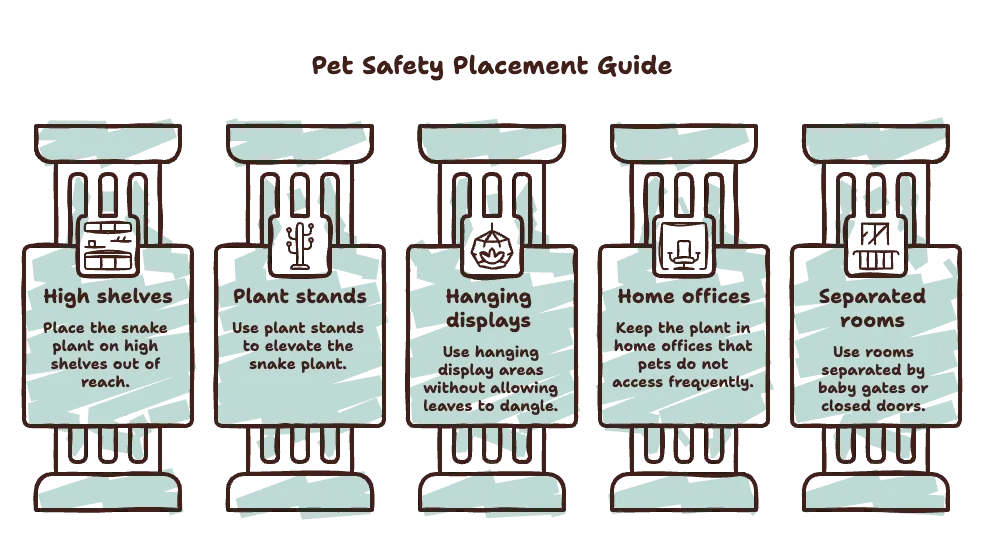
Some effective placement ideas include:
- High shelves
- Plant stands
- Hanging display areas nearby (without allowing leaves to dangle within reach)
- Home offices that pets don't access frequently
- Rooms separated by baby gates or closed doors
If your pet enjoys chewing on houseplants, consider providing safe alternatives such as pet grass or other pet-friendly greenery to redirect their attention.
What If Your Pet Eats a Snake Plant?
If you suspect your cat or dog has eaten part of the plant:
- Remove any remaining plant material from their mouth if it's safe to do so.
- Observe your pet for signs of stomach upset.
- Offer fresh drinking water.
- Contact your veterinarian if symptoms develop or worsen.
- Seek immediate veterinary care if your pet appears weak, struggles to breathe, or consumes a large amount of the plant.
Avoid attempting home remedies unless specifically instructed by a veterinary professional.
Pet-Friendly Alternatives
If you'd rather eliminate the risk altogether, several attractive houseplants are generally considered safer around pets, including:
- Spider plants
- Boston ferns
- Areca palms
- Calathea varieties
- Prayer plants
These plants can provide lush indoor greenery without the same level of concern if occasionally nibbled.
Can Snake Plants Still Be Part of a Pet-Friendly Home?
Absolutely.
Many pet owners successfully grow snake plants for years without incident by simply placing them in locations that pets cannot access. The plant's upright growth habit actually makes it easier to position safely compared to trailing vines or hanging foliage.
The key is awareness. Understanding the potential risks allows you to enjoy one of the easiest and most beautiful houseplants available while creating a safe environment for every member of your household, both human and furry.
Frequently Asked Questions
Snake plants are known for being one of the easiest houseplants to care for, but beginners often have many of the same questions. Below are answers to some of the most common concerns to help you keep your plant healthy and thriving.
How Long Do Snake Plants Live?
With proper care, snake plants can live for 20 years or more. Many healthy specimens remain productive for decades, continually producing new leaves and pups. Their exceptional lifespan is one of the reasons they're often passed down from one generation to the next.
Why Are My Snake Plant Leaves Falling Over?
Leaves that begin leaning or falling over are usually a sign that something isn't quite right.

Common causes include:
- Overwatering
- Root rot
- Physical damage
- Extremely low light
- A plant that has become too top-heavy for its pot
Inspect the roots, review your watering habits, and make sure your plant is receiving adequate bright, indirect light.
Can Snake Plants Survive Without Sunlight?
Snake plants can tolerate low-light conditions, but they cannot survive without light altogether.
They still require light for photosynthesis, even if it's only bright artificial lighting or indirect natural light. Completely dark rooms are not suitable for long-term growth.
Should I Mist My Snake Plant?
No.
Unlike many tropical houseplants, snake plants do not require misting. Their thick succulent leaves are adapted to drier conditions, and excess moisture on the foliage may encourage fungal problems.
Instead of misting, simply wipe the leaves with a damp cloth every few weeks to remove dust.
How Fast Do Snake Plants Grow?
Snake plants are naturally slow growers.
During spring and summer, healthy plants may produce several new leaves, especially when grown in bright, indirect light. Growth slows considerably during fall and winter.
Factors that influence growth include:
- Light levels
- Temperature
- Watering habits
- Pot size
- Fertilization during the growing season
Can I Keep a Snake Plant in My Bedroom?
Absolutely.
Snake plants are excellent bedroom plants because they tolerate lower light conditions often found in bedrooms and require very little maintenance. Their upright growth habit also makes them ideal for smaller spaces.
As with any houseplant, make sure the room still receives enough natural or artificial light to support healthy growth.
Why Are My Leaves Turning Yellow?
Yellow leaves are most commonly caused by overwatering.

However, other possible causes include:
- Poor drainage
- Root rot
- Sudden temperature changes
- Natural aging of older leaves
Always check the soil before watering and ensure excess water can drain freely from the pot.
How Often Should I Repot My Snake Plant?
Most snake plants only need repotting every two to five years.
Repot when you notice:
- Roots growing through drainage holes
- Crowded pups filling the pot
- Cracked containers
- Slowed growth due to lack of space
Choose a new pot that's only one to two inches larger than the current one.
Can Snake Plants Grow in Artificial Light?
Yes.
Snake plants adapt surprisingly well to offices and homes that rely on artificial lighting. While growth may be slower than in bright natural light, quality LED grow lights or bright indoor lighting can support healthy development.
Why Are My Snake Plant Leaves Wrinkled?
Wrinkled leaves usually indicate that the plant has used up much of its stored water.
This may be caused by:
- Underwatering
- Damaged roots
- Severe drought
- Root rot preventing water absorption
Check both the soil and the root system to determine whether the issue is too little water or unhealthy roots.
Can I Propagate a Broken Leaf?
Yes.
As long as the broken leaf is healthy and free from disease, it can often be cut into sections and propagated using either soil or water. Although this method takes longer than division, it's an easy way to create new plants from damaged foliage.
Why Isn't My Snake Plant Growing?
Don't worry, slow growth is completely normal.
If your plant hasn't produced new leaves for a while, consider whether it's receiving enough light, whether it's winter dormancy, or whether it has become root-bound. In many cases, simply improving lighting conditions is enough to encourage new growth.
These frequently asked questions cover the issues most beginners encounter. Fortunately, snake plants are remarkably forgiving, and once you understand their basic needs, they're among the easiest houseplants to grow successfully for many years.
Beginner Care Checklist
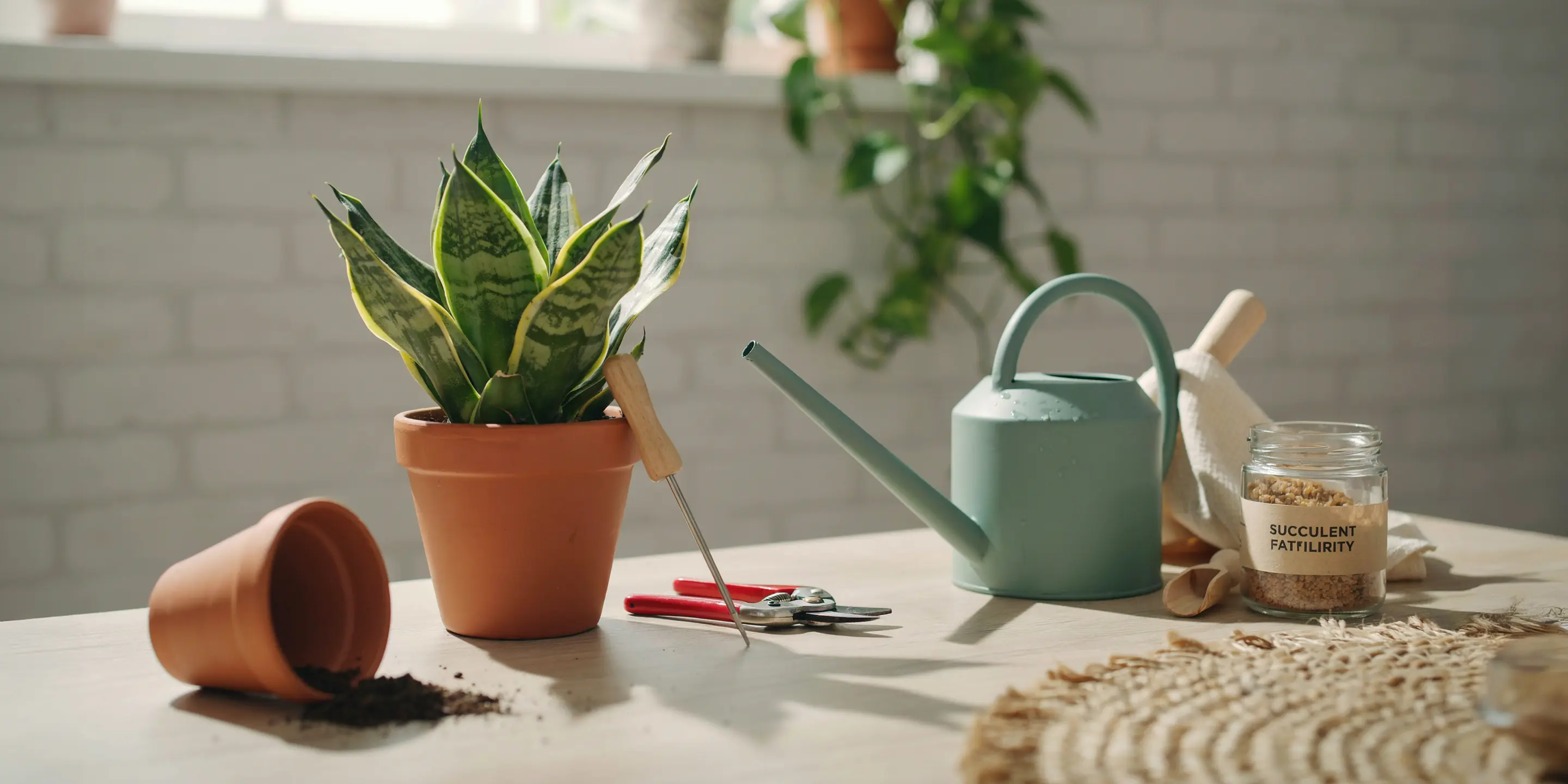
If you've made it this far, you've already learned everything you need to keep a snake plant healthy. The great thing about these resilient houseplants is that success doesn't come from doing more, it comes from doing the right things consistently. When in doubt, remember that snake plants generally prefer a little neglect over too much attention.
Use this quick checklist whenever you're unsure about your plant's care routine.
Light
- Place your snake plant in bright, indirect light whenever possible.
- It can tolerate low-light conditions, but growth will be slower.
- Avoid prolonged exposure to harsh afternoon sunlight, which can scorch the leaves.
- Rotate the pot every few weeks to encourage even growth.
Water
- Always allow the soil to dry completely before watering.
- Water deeply until excess water drains from the bottom of the pot.
- Empty saucers or decorative pots after watering.
- Reduce watering significantly during fall and winter.
Soil
- Use a well-draining cactus or succulent potting mix.
- Improve regular potting soil with perlite, pumice, or coarse sand if necessary.
- Replace compacted or poorly draining soil during repotting.
Pot
- Choose a container with drainage holes.
- Select a pot only one to two inches larger than the root ball.
- Terracotta pots are ideal because they help excess moisture evaporate more quickly.
Temperature
- Maintain temperatures between 60°F and 85°F (16°C–29°C).
- Protect the plant from frost, cold drafts, and sudden temperature changes.
- Keep it away from heating and air-conditioning vents.
Fertilizer
- Feed lightly every four to six weeks during spring and summer.
- Use a diluted balanced houseplant or succulent fertilizer.
- Stop fertilizing during fall and winter.
Repotting
- Repot every two to five years, or when the plant becomes root-bound.
- Refresh the soil during repotting.
- Divide mature plants if you want to propagate new ones.
Pest Inspection
Every few weeks, quickly inspect your plant for:
- Mealybugs
- Spider mites
- Fungus gnats
- Yellowing leaves
- Brown leaf tips
- Soft or mushy stems
Early detection makes nearly every problem easier to solve.
Regular Maintenance
To keep your snake plant looking its best:
- Wipe dust from the leaves every few weeks.
- Remove damaged or dead leaves with clean pruning shears.
- Check the soil before every watering instead of following a strict schedule.
- Enjoy the plant without constantly moving or disturbing it.
Quick Reference Care Guide
Care Category | Best Practice |
Light | |
Water | Only when soil is completely dry |
Soil | Fast-draining succulent mix |
Pot | Drainage holes required |
Temperature | 60–85°F (16–29°C) |
Humidity | Average household humidity |
Fertilizer | Every 4–6 weeks in spring and summer |
Repotting | Every 2–5 years |
Propagation | Division or leaf cuttings |
Difficulty | Beginner-friendly |
The Secret to Success
The healthiest snake plants aren't usually the ones that receive the most attention, they're the ones that receive the right attention. By providing plenty of indirect light, watering only when necessary, using well-draining soil, and resisting the urge to overcare for your plant, you'll create the perfect environment for steady, long-lasting growth.
Keep this checklist handy, and you'll have a simple reference whenever your snake plant needs a little care. With these fundamentals in place, your plant can remain healthy, beautiful, and thriving for decades.
Final Thoughts

Snake plants have earned their place as one of the world's most popular houseplants for a simple reason, they make indoor gardening accessible to everyone. Whether you're decorating your first apartment, adding greenery to your office, or expanding an existing plant collection, few plants offer the same combination of beauty, durability, and ease of care.
Throughout this guide, you've learned that successful snake plant care isn't about following a complicated routine. Instead, it's about understanding a few simple principles: provide bright, indirect light whenever possible, use well-draining soil, water only after the soil has completely dried, and avoid the temptation to overwater or overfertilize.
You'll also know how to recognize common problems before they become serious, safely propagate new plants, repot when necessary, and adjust your care routine as the seasons change. These small habits can make a remarkable difference in the long-term health of your plant.
One of the most rewarding aspects of growing a snake plant is watching it quietly thrive with minimal intervention. Over time, you'll notice new leaves emerging from the soil, healthy pups developing around the base, and a stronger, fuller plant that reflects the consistent care you've provided.
Remember that every home is a little different. Factors such as light levels, temperature, humidity, and airflow will influence how often your snake plant needs attention. Rather than following a rigid schedule, observe your plant and let it guide your decisions. Healthy leaves, firm growth, and steady development are all signs that you're on the right track.
If you're just beginning your indoor gardening journey, the snake plant is one of the best teachers you could ask for. Its forgiving nature allows you to build confidence while learning the fundamentals of plant care, skills that can easily be applied to many other houseplants in the future.
With patience, a little observation, and the simple techniques covered in this guide, your snake plant can remain a healthy, elegant feature of your home for decades. Give it the right conditions, avoid overcomplicating its care, and enjoy the quiet satisfaction of watching one of nature's most resilient houseplants continue to grow year after year.

Leave a comment
Your email address will not be published. Required fields are marked *